 Base by Base
Episodes on cancer genomics, tumor biology, liquid biopsy, and therapy resistance — drawn from primary research papers.
87 episodes
-

Issue 458
Shared inheritance reveals landscape of somatic and germline cancer risk in TP53
-

Issue 451
Prion protein lowering is a disease-modifying therapy across prion disease stages, strains and endpoints
-

Issue 440
DENV-4 infection suppresses transcription of DNA repair genes
-

Issue 425
Bayesian inference of tissue-migration histories in metastatic cancer from cell-lineage tracing data
-

Issue 421
Pre-existing cell states predict resistance to multiple treatments
-

Issue 419
The Single-Cell Pediatric Cancer Atlas: Data portal and open-source tools for single-cell transcriptomics of pediatric tumors
-

Issue 415
A ligandable PNT domain establishes ERG as a directly targetable oncogenic driver in prostate cancer
-

Issue 403
Homologous recombination deficiency-driven genomic instability in ovarian cancer as an indicator of BRCA1 and BRCA2 variant pathogenicity
-

Issue 389
Crotonylation impedes c-Myc oncogenic activity
-

Issue 386
Polyploidy: A macromutational force pushing bioeconomic developments
-

Issue 380
A multiplex, prime editing framework for identifying drug resistance variants at scale
-

Issue 370
ICMT supports BRAF V600E -driven tumor growth by membrane targeting of the CAAX protein INPP5E
-

Issue 369
NEK2 drives pathogenesis, drug resistance, and LMP1 expression in EBV-positive non-Hodgkin lymphoma
-

Issue 366
Regulation of antiviral and antitumor immunity by the BRCA1 pseudogene in human cancers
-

Issue 365
CRISPR base editor screening identifies spectrum of MEN1 mutations impacting menin inhibitors in clinical trials
-

Issue 363
Cell-free DNA size deconvolution resolves nucleosomal origins and reveals tumor-associated fragmentomic alterations
-

Issue 348
A plasma - based DNA test for quantification of disease burden in acute myeloid leukemia patients undergoing bone marrow transplantation
-

Issue 336
Measuring disease likelihood in genomic ascertainment
-
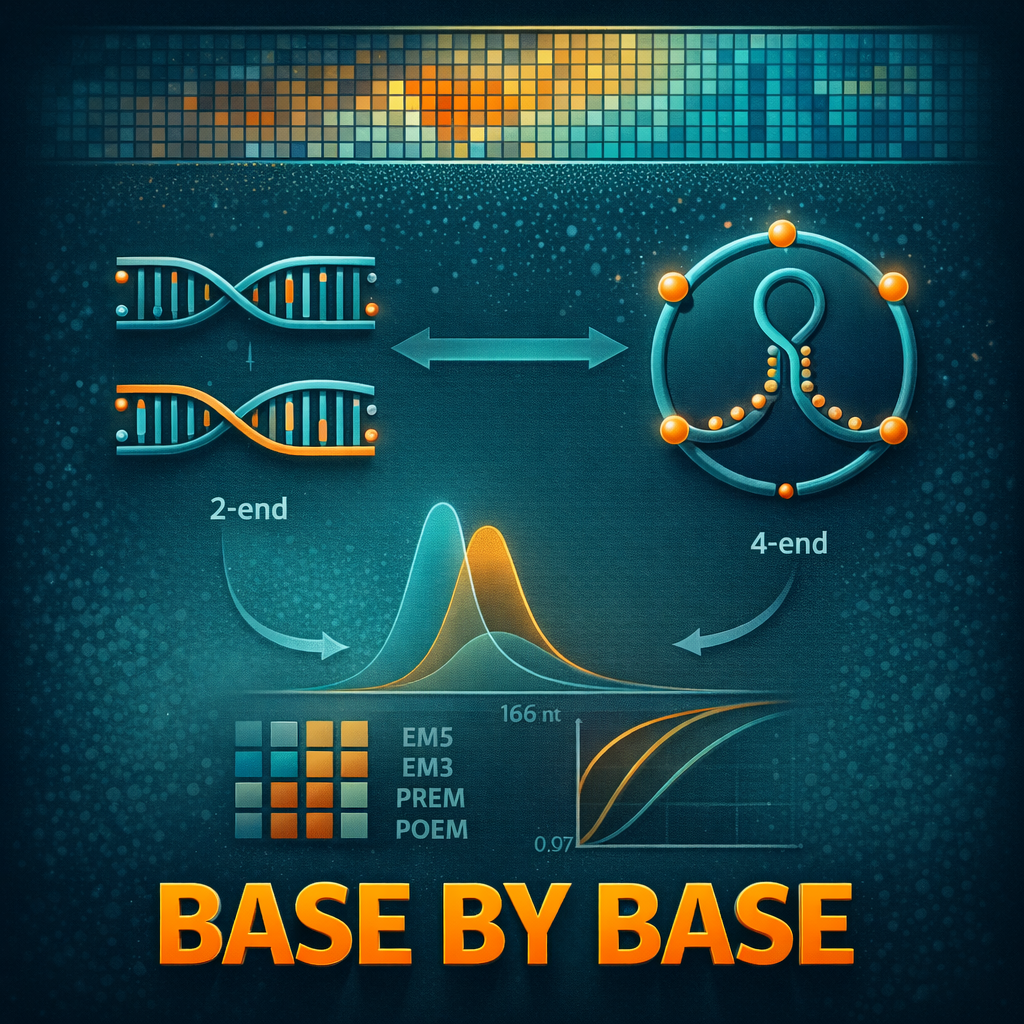
Issue 333
Holistic determination of ends of cfDNA molecules
-
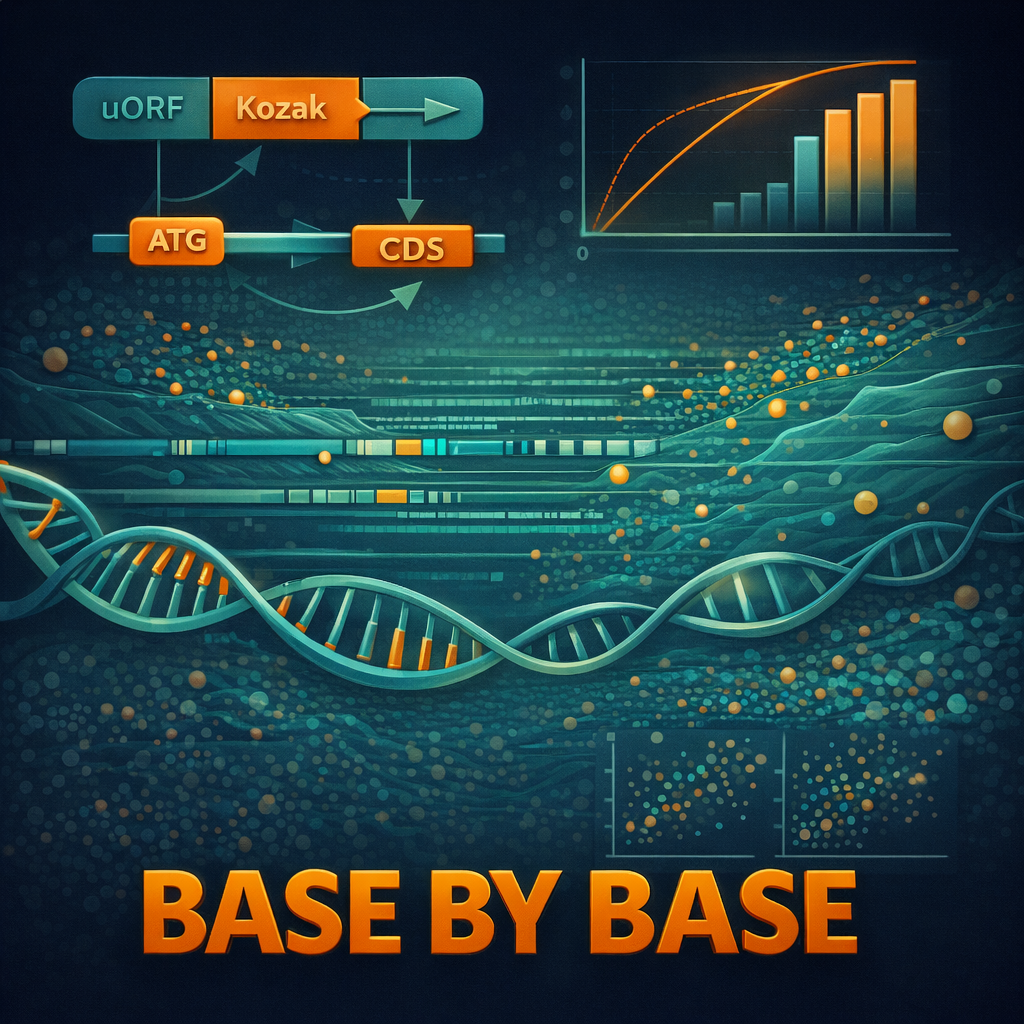
Issue 330
Genome-wide detection of human 5′ UTR variants that impact protein translation
-

Issue 319
Characteristics predicting reduced penetrance variants in the high-risk cancer predisposition gene TP53
-
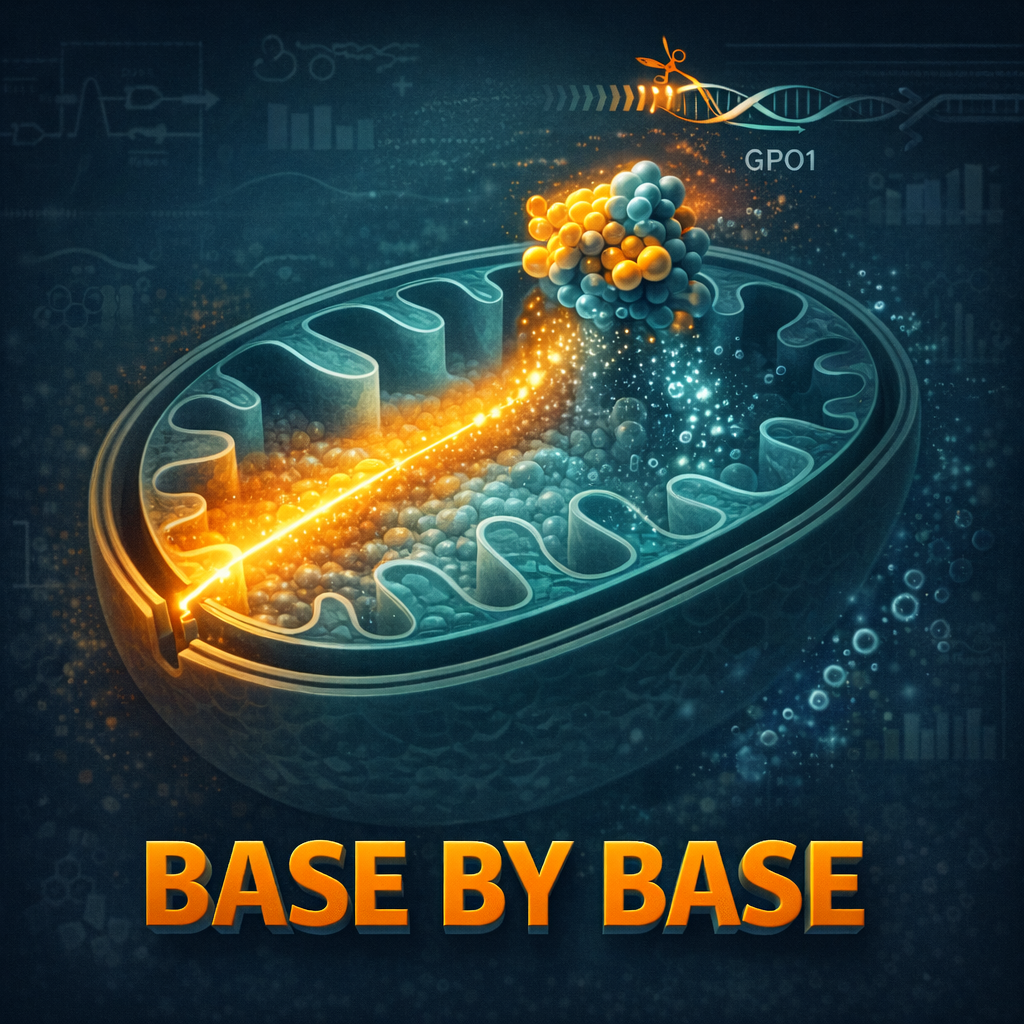
Issue 311
When alternative becomes essential: The role of mitochondrial glycerol-3-phosphate dehydrogenase
-

Issue 296
Cancer-associated snaR-A noncoding RNA interacts with core splicing machinery and disrupts processing of mRNA subpopulations
-

Issue 276
Advancing regulatory variant effect prediction with AlphaGenome
-

Issue 273
Horizontal transfer of nuclear DNA in transmissible cancer
-
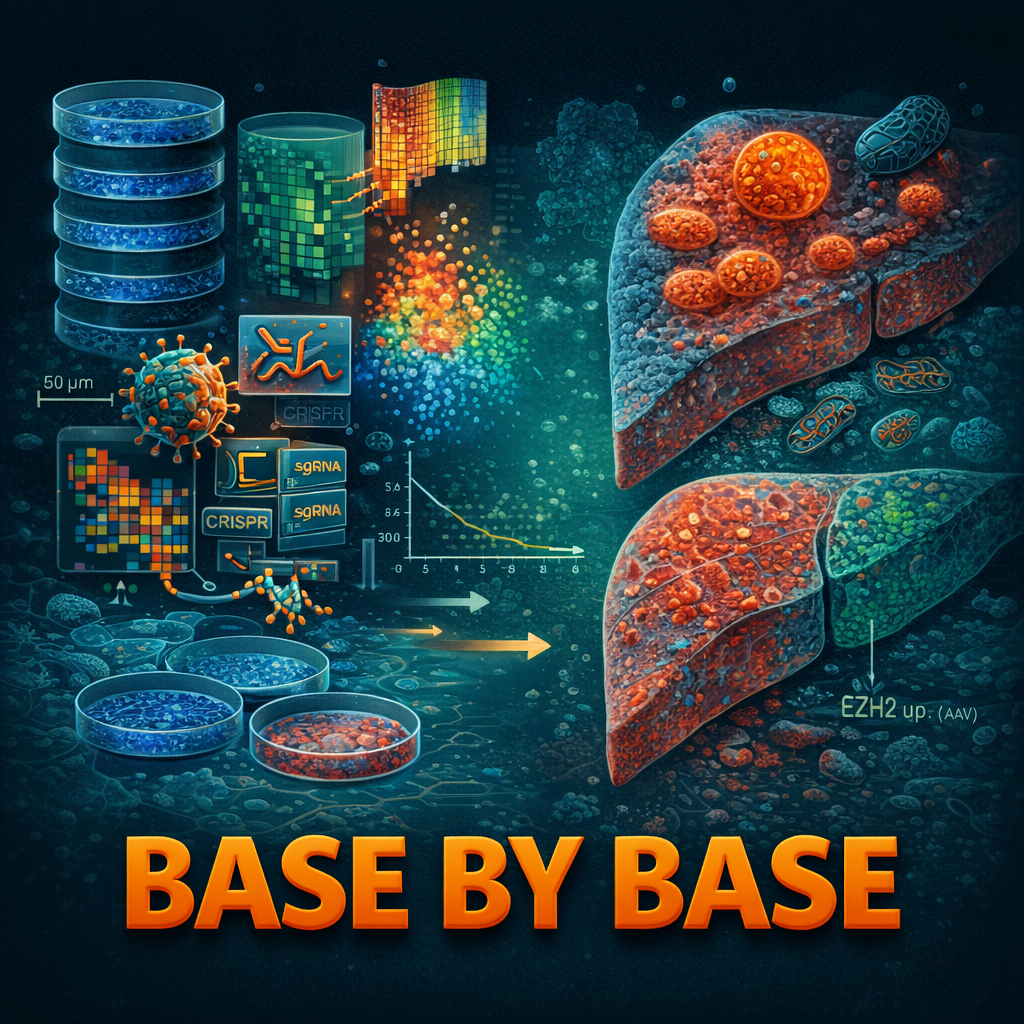
Issue 264
Systematic identification of single transcription factor perturbations that drive cellular and tissue rejuvenation
-

Issue 258
Genomic GC bias correction improves species abundance estimation from metagenomic data
-
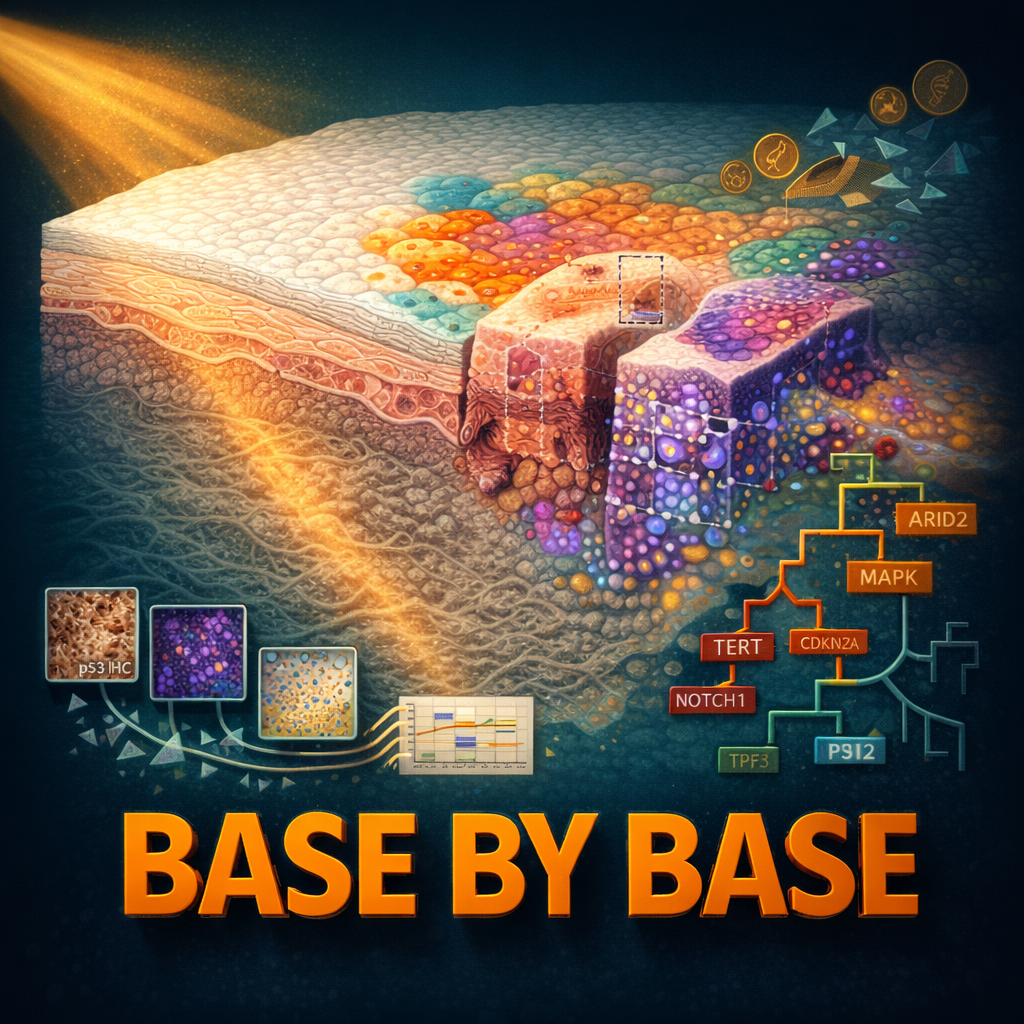
Issue 252
Genetic evolution of keratinocytes to cutaneous squamous cell carcinoma
-

Issue 250
The CIP2A-TOPBP1 axis facilitates mitotic DNA repair via MiDAS and MMEJ
-

Issue 247
Genome graphs reveal the importance of structural variation in Mycobacterium tuberculosis evolution and drug resistance
-

Issue 231
Transcription start sites experience a high influx of heritable variants fueled by early development
-

Issue 226
FGF4-FGFR1 signaling promotes podocyte survival and glomerular function to ameliorate diabetic kidney disease in male mice
-

Issue 222
Cancer-associated snaR-A noncoding RNA interacts with core splicing machinery and disrupts processing of mRNA subpopulations
-

Issue 220
The AML cellular state space unveils NPM1 immune evasion subtypes with distinct clinical outcomes
-

Issue 212
Nature | www.nature.com | 1
-
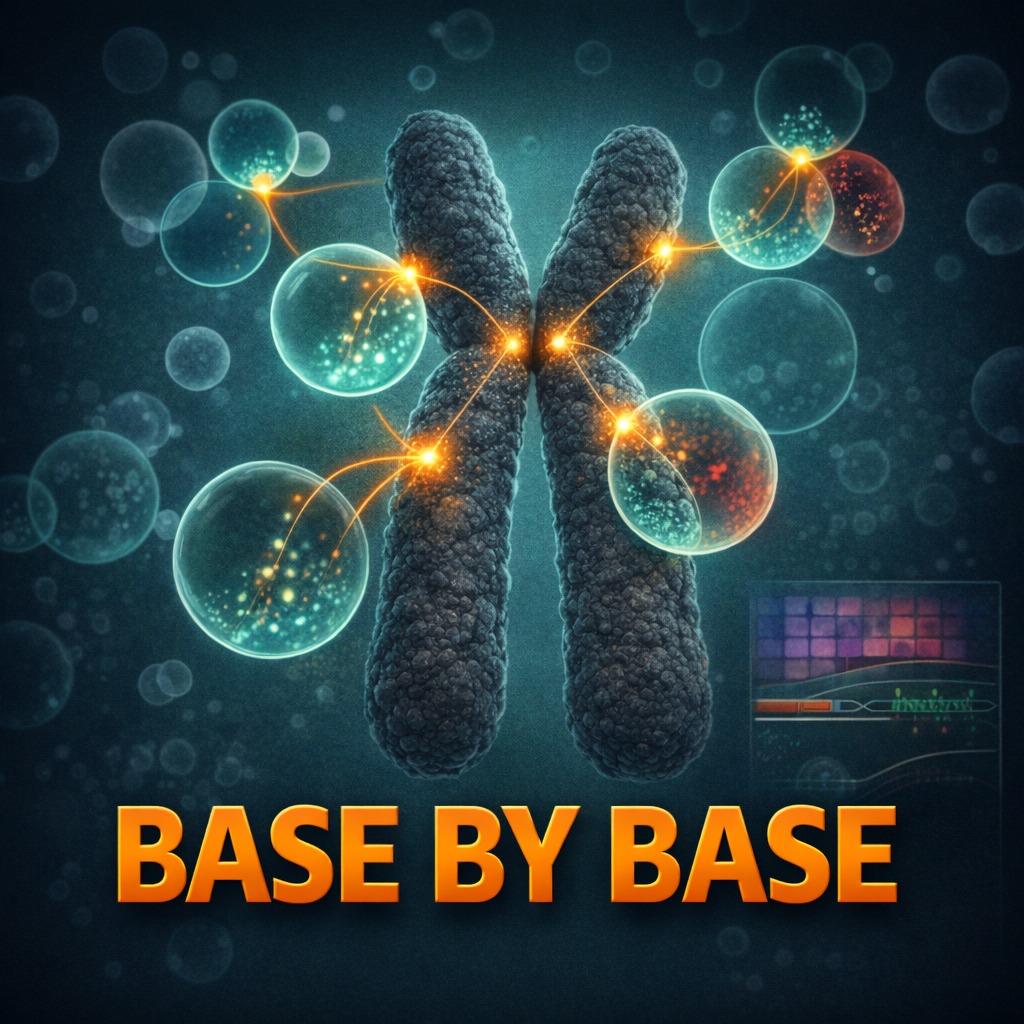
Issue 211
Genetic elements promote retention of extrachromosomal DNA in cancer cells
-

Issue 210
Tumour-reactive heterotypic CD8 T cell clusters from clinical samples
-

Issue 204
StealTHY: An immunogen-free CRISPR platform to expose concealed metastasis regulators in immunocompetent models
-

Issue 203
Divergent Evolutionary Dynamics of Benign and Malignant Tumors
-

Issue 201
Sex and smoking bias in the selection of somatic mutations in human bladder
-

Issue 198
Mechanical confinement governs phenotypic plasticity in melanoma
-

Issue 187
Tumor-targeted top1 inhibitor delivery with optimized parp inhibition in advanced solid tumors: a phase i trial of gapped scheduling
-

Issue 184
-

Issue 177
-

Issue 176
-

Issue 151
External Quality Assessment on Molecular Tumor Profiling with Circulating Tumor DNA-Based Methodologies Routinely Used in Clinical Pathology within the COIN Consortium
-

Issue 148
Systematic Minigene-Based Splicing Analysis and Tentative Clinical Classification of 52 CHEK2 Splice-Site Variants
-

Issue 146
Automated and Decentralized Genomic Profiling of Plasma Cell-Free DNA for Identification of Targetable and Resistance Alterations in Advanced Solid Tumors
-

Issue 145
A Validated Highly Sensitive Microsatellite Instability Assay Accurately Identifies Individuals Harboring Biallelic Germline PMS2 Pathogenic Variants in Constitutional Mismatch Repair Deficiency
-

Issue 139
MosCoverY: A method to estimate mosaic loss of Y chromosome from sequencing coverage data
-

Issue 136
Gene context drift identifies drug targets to mitigate cancer treatment resistance
-

Issue 134
Single-cell analysis of Barrett’s esophagus and carcinoma reveals cell types conferring risk via genetic predisposition
-

Issue 132
Tumor transcriptome-wide expression classifiers predict treatment sensitivity in advanced prostate cancers
-

Issue 127
In silico generation of synthetic cancer genomes using generative AI
-

Issue 122
Patient stratification reveals the molecular basis of disease co- occurrences
-

Issue 121
G-quadruplexes as a source of vulnerability in BRCA2-deficient granule cell progenitors and medulloblastoma
-

Issue 118
Cancer cells subvert the primate-specific KRAB zinc finger protein ZNF93 to control APOBEC3B
-

Issue 115
A transcriptomic, proteomic, and functional genetic atlas dissects neurofibromin function in the peripheral nervous system
-

Issue 114
One-hour extraction-free loop-mediated isothermal amplification HPV DNA assay for point-of-care testing in Maputo, Mozambique
-

Issue 111
A multimodal dataset for precision oncology in head and neck cancer
-

Issue 109
-

Issue 105
Genome-level selection in tumors as a universal marker of resistance to therapy
-

Issue 100
Epigenomic diagnosis and prognosis of Acute Myeloid Leukemia
-

Issue 097
-

Issue 094
Intraindividual epigenetic heterogeneity underlying phenotypic subtypes of advanced prostate cancer
-

Issue 087
Circulating cell-free DNA methylation patterns indicate cellular sources of allograftinjury after liver transplant
-

Issue 085
Genomic landscape of virus-associated cancers
-

Issue 082
JAK2 inhibition mediates clonal selection of RAS pathway mutations in myeloproliferative neoplasms
-

Issue 069
Three independent approaches identify IGF2BP2 as a top SDL target of PLK1
-

Issue 066
Mainstreaming of clinical genetic testing: A conceptual framework
-

Issue 064
Pisces: A multi-modal data augmentation approach for drug combination synergy prediction
-

Issue 062
BRCA2 reversion mutation–independent resistance to PARP inhibition through impaired DNA prereplication complex function
-

Issue 060
Improving polygenic prediction from whole-genome sequencing data by leveraging predicted epigenomic features
-

Issue 059
Optimizing participant and community engagement in cancer genomic sequencing research
-

Issue 058
Depletion of aneuploid cells is shaped by cell-to-cell interactions
-

Issue 053
Weighing the evidence on costs and benefits of polygenic risk-based approaches in clinical practice: A systematic review of economic evaluations
-

Issue 050
The microbiome for clinicians
-

Issue 048
Mainstreaming of clinical genetic testing: A conceptual framework
-

Issue 046
tRNA modifications tune m6A-dependent mRNA decay
-
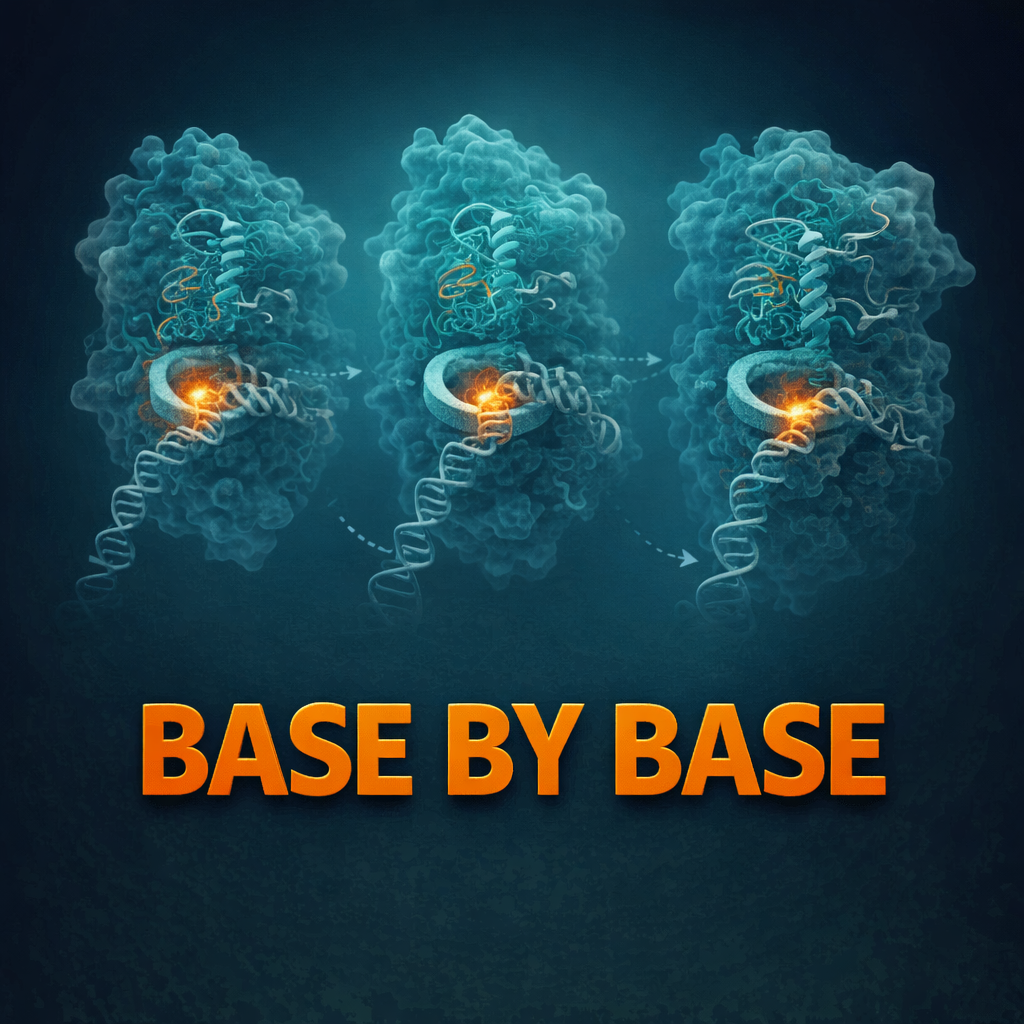
Issue 044
The proofreading mechanism of the human leading-strand DNA polymerase ε holoenzyme
-

Issue 033
Mis-splicing-derived neoantigens and cognate TCRs in splicing factor mutant leukemias
-

Issue 026
Reannotation of cancer mutations based on expressed RNA transcripts reveals functional non-coding mutations in melanoma
-

Issue 023
Evaluating the return of additional findings from the 100,000 Genomes Project: A mixed methods study exploring participant experiences of receiving secondary findings from genomic sequencing
-
![Structure of human MUTYH and functional profiling of cancer-associated variants reveal an allosteric network between its [4Fe-4S] cluster cofactor and active site required for DNA repair](https://episodes.castos.com/6857d0f4a3b5e4-25951952/images/2107599/c1a-p6xp7-47415nxxbjo4-q9r19u.png)
Issue 012
Structure of human MUTYH and functional profiling of cancer-associated variants reveal an allosteric network between its [4Fe-4S] cluster cofactor and active site required for DNA repair
-

Issue 005
Genome-wide nucleosome footprints of plasma cfDNA predict preterm birth: A case-control study
-

Issue 002
Impact of Tube Additives on Baseline Cell-Free DNA, Blood Nuclease Activity, and Cell-Free DNA Degradation in Serum and Plasma Samples: A Comparative Study
-

Issue 001
ACMG/AMP interpretation of BRCA1 missense variants: Structure-informed scores add evidence strength granularity to the PP3/BP4 computational evidence