 Base by Base
Episodes on the microbiome, pathogens, viruses and the genomics of infection.
75 episodes
-

Issue 460
A highly prevalent lupus risk haplotype increases IRF7-dependent induction of IFN-α, enhancing antiviral defense and exacerbating autoimmunity
-

Issue 459
A phenotypic paradigm for cerebral palsy genetics
-

Issue 445
UV photodamage pathways and the evolutionary selection of thymine over uracil in early genetic systems
-

Issue 441
Identification of novel functional sites in the Cav1.3 calcium channel α1-subunit using evolutionary modeling
-

Issue 440
DENV-4 infection suppresses transcription of DNA repair genes
-

Issue 435
Cryo-EM reveals that Escherichia coli tRNA-transglycosylase can bind and act upon two tRNAs
-

Issue 431
Identification of a conserved gene family with an essential role in Leishmania parasite–insect vector adhesion
-

Issue 411
A scalable, dividing cell model for the robust propagation and quantification of human sporadic Creutzfeldt–Jakob disease prions
-

Issue 409
A systems-level atlas of carbon-response transcriptional states in Escherichia coli
-
Issue 407
SLC11A2 withholds divalent metals from Salmonella in the gut epithelium
-

Issue 406
Temperature and developmental stage govern intestinal susceptibility to human coronavirus 229E
-

Issue 403
Homologous recombination deficiency-driven genomic instability in ovarian cancer as an indicator of BRCA1 and BRCA2 variant pathogenicity
-

Issue 395
Extended sequence context shapes mutational bias in Escherichia coli
-

Issue 393
Targeted next-generation sequencing implementation in Eswatini identifies rifampicin and bedaquiline resistance undetected by routine diagnostic testing
-

Issue 390
DNA-intercalating antiphage molecules trigger abortive infection through mutual destruction and synergize with bacterial immunity
-

Issue 387
Long-term antibody dynamics challenge the paradigm of lifelong homotypic immunity to dengue virus
-

Issue 384
A 3’UTR-derived small RNA modulates the life cycle of the cholera toxin–encoding filamentous phage, CTXϕ
-

Issue 369
NEK2 drives pathogenesis, drug resistance, and LMP1 expression in EBV-positive non-Hodgkin lymphoma
-
Issue 362
D614G reshapes allosteric networks and opening mechanisms of SARS - CoV - 2 spikes
-

Issue 359
Computational design of an ultrapotent deltacoronavirus miniprotein inhibitor
-
Issue 355
Efficient replication of influenza D virus in the human airway underscores zoonotic potential
-

Issue 352
Interspecies interaction controls Escherichia coli growth in human gut microbiome samples
-

Issue 343
Distinct evolutionary patterns of endemic and emerging parvoviruses and the origin of a new pandemic virus
-
Issue 324
The E3 ubiquitin ligase mechanism specifying targeted microRNA degradation
-

Issue 320
Sex-stratified genetic regulators of cytokine production in the Dutch and Tanzanian populations
-

Issue 315
Capturing dynamic phage–pathogen coevolution by clinical surveillance
-

Issue 310
Infant gut microbiota restoration: state of the art
-

Issue 307
A membrane-bound nuclease directly cleaves phage DNA during genome injection
-

Issue 303
The untapped potential of short-read sequencing in biodiversity research
-

Issue 300
Population-scale sequencing resolves determinants of persistent EBV DNA
-

Issue 295
Cystic fibrosis risk variants confer protection against inflammatory bowel disease
-
Issue 293
Leveraging protein language models and a scoring function for indel characterization and transfer learning
-
Issue 286
Functional and antigenic constraints on the Nipah virus fusion protein
-
Issue 266
Differential roles of type I topoisomerases in regulating HPV pathogenesis
-

Issue 263
A pothole-filling strategy for selective targeting of rCUG-repeats associated with myotonic dystrophy type 1
-
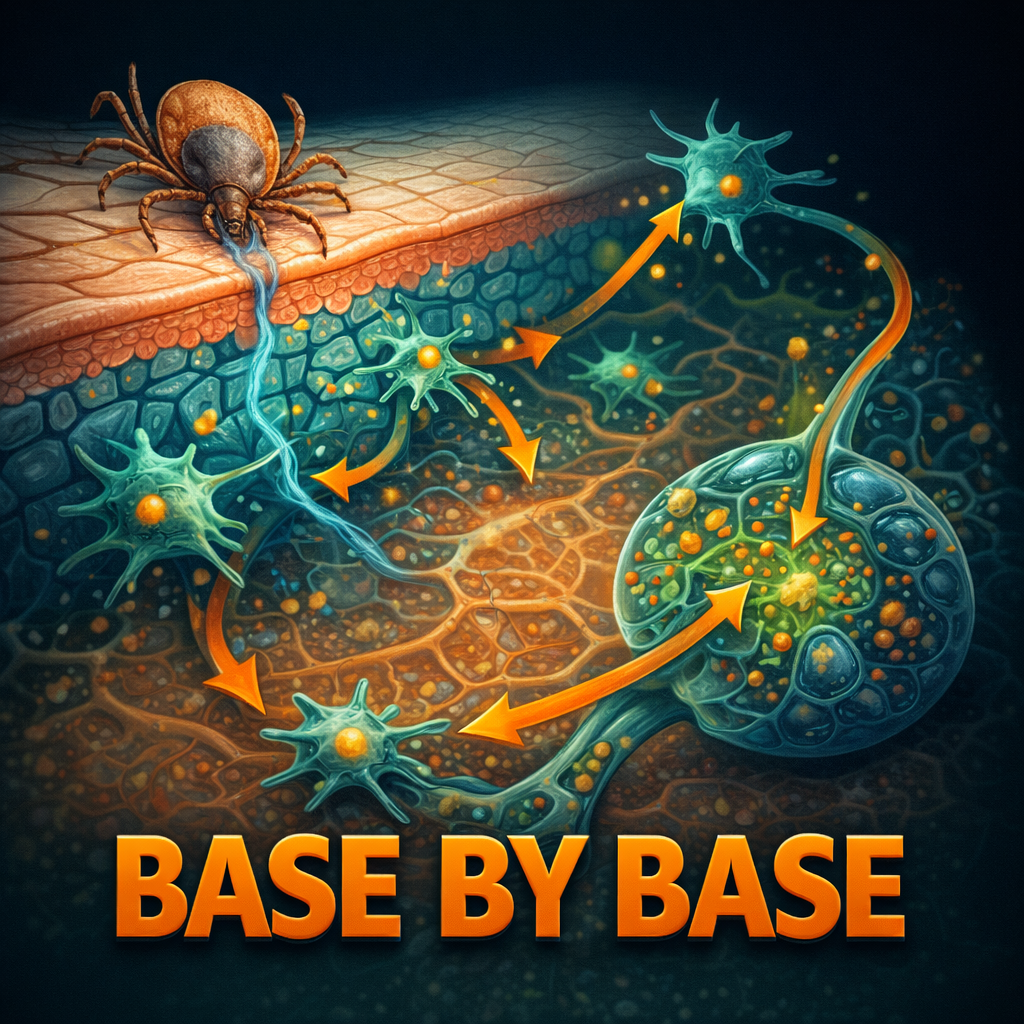
Issue 262
Human epidermal Langerhans cells induce tolerance and hamper T cell function upon tick-borne pathogen transmission
-
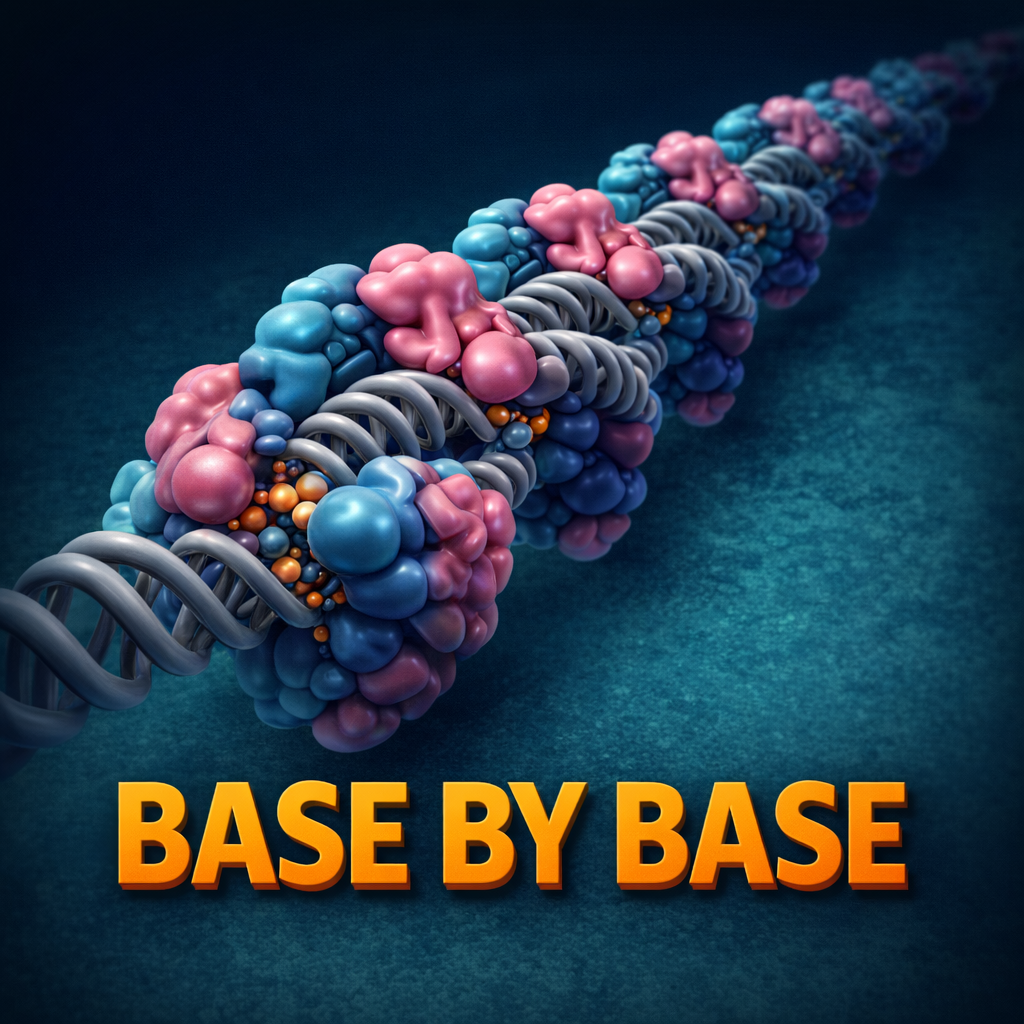
Issue 259
Oligomerisation of Ku from Mycobacterium tuberculosis promotes DNA synapsis
-

Issue 258
Genomic GC bias correction improves species abundance estimation from metagenomic data
-

Issue 254
Rescuing the bacterial replisome at a nick requires recombinational repair and helicase reloading
-

Issue 245
Benchmarking DNA foundation models for genomic and genetic tasks
-

Issue 242
Gene therapy delivery of anti‑Müllerian hormone in prepubertal female domestic cats induces long-term sterilization.
-

Issue 237
Using metagenomics and whole-genome sequencing to characterize enteric pathogens across various sources in Africa
-

Issue 234
MTHFR allele and one-carbon metabolic profile predict severity of COVID-19
-

Issue 224
Wireless in-body sensing through genetically engineered bacteria
-

Issue 215
Protein Set Transformer: a protein-based genome language model to power high-diversity viromics
-

Issue 206
Ecology and spread of the North American H5N1 epizootic
-

Issue 202
Stereo-seq V2: Spatial mapping of total RNA on FFPE sections with high resolution
-

Issue 186
-
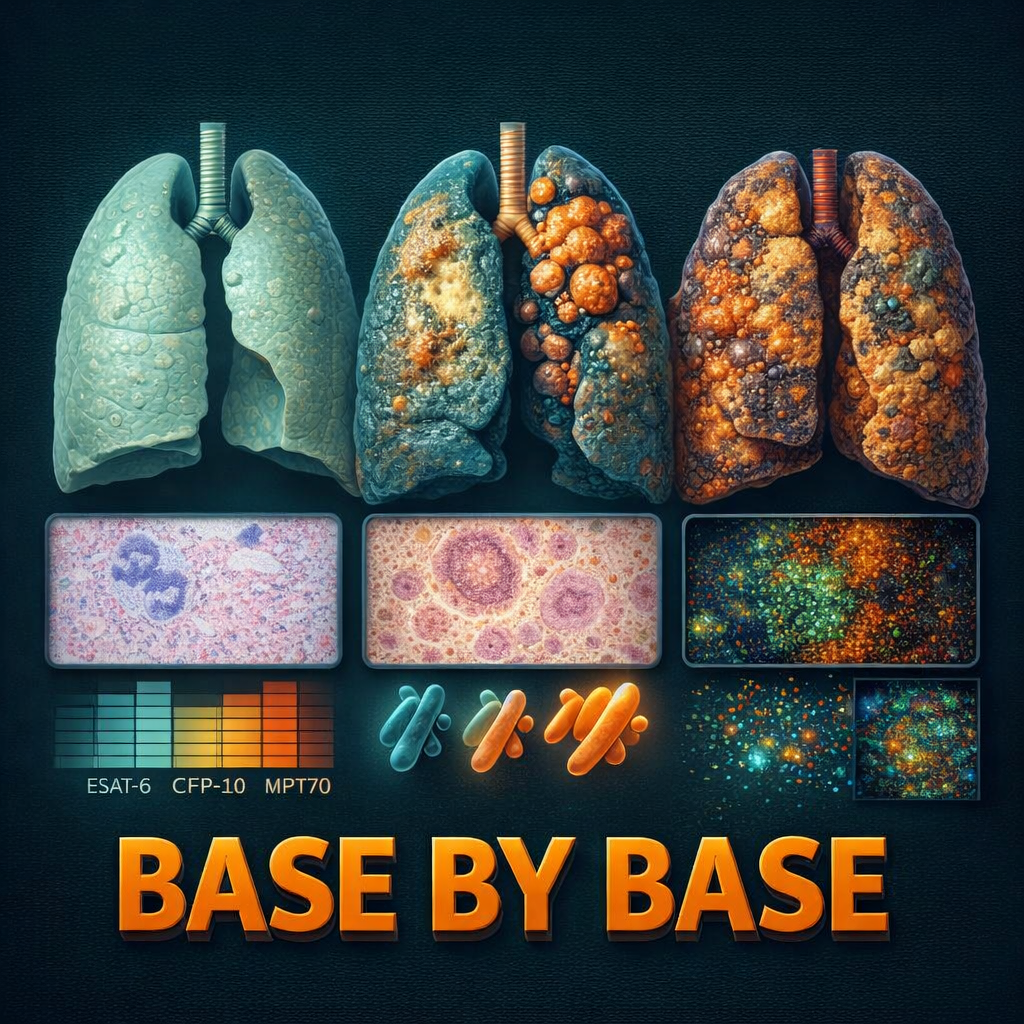
Issue 171
Virulence hierarchies within the Mycobacterium tuberculosis complex
-

Issue 145
A Validated Highly Sensitive Microsatellite Instability Assay Accurately Identifies Individuals Harboring Biallelic Germline PMS2 Pathogenic Variants in Constitutional Mismatch Repair Deficiency
-

Issue 142
Specifications of the ACMG/AMP variant curation guidelines for the analysis of germline PALB2 sequence variants
-

Issue 140
Landscapes of missense variant impact for human superoxide dismutase 1
-

Issue 137
Rethinking RNA-binding proteins: Riboregulation challenges prevailing views
-

Issue 133
Culture-independent meta-pangenomics enabled by long-read metagenomics reveals associations with pediatric undernutrition
-

Issue 131
A cryptic plasmid is among the most numerous genetic elements in the human gut
-

Issue 117
-

Issue 107
Genome-wide association study of pulpal and apical diseases
-

Issue 093
Highly pathogenic avian influenza H5N1 clade 2.3.4.4b genotype B3.13 is highly virulent for mice, rapidly causing acute pulmonary and neurologic disease
-

Issue 085
Genomic landscape of virus-associated cancers
-

Issue 084
Variants in NR6A1 cause a novel oculo vertebral renal syndrome
-

Issue 074
Benchmarking of T cell receptor-epitope predictors with ePytope-TCR
-
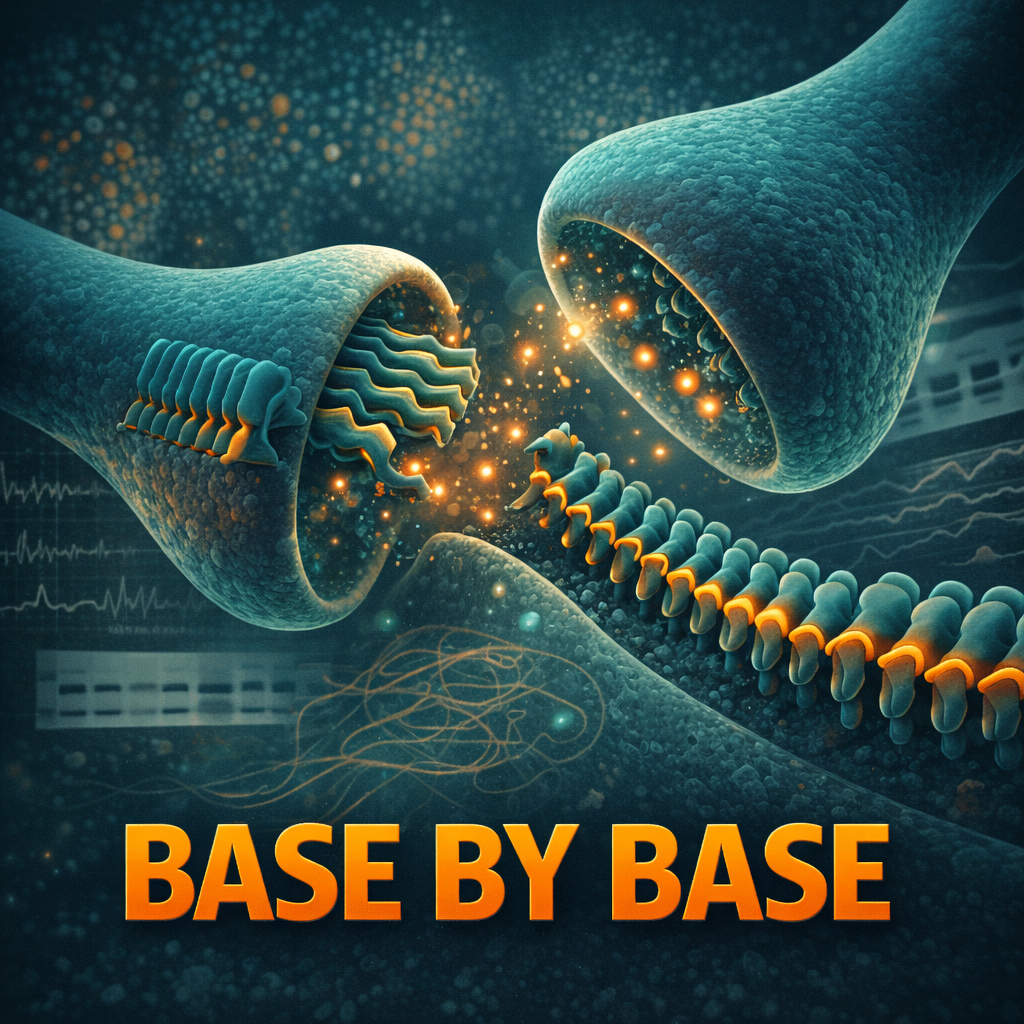
Issue 071
ELFN1 Deficiency: the mechanistic basis and phenotypic spectrum of a neurodevelopmental disorder with epilepsy
-

Issue 068
Indels allow antiviral proteins to evolve functional novelty inaccessible by missense mutations
-

Issue 054
Temporal multi-omics analysis of COVID-19 in end-stage kidney disease
-

Issue 052
Human genetic variation reveals FCRL3 is a lymphocyte receptor for Yersinia pestis
-

Issue 050
The microbiome for clinicians
-

Issue 049
Environmental DNA adsorption to chitin can promote horizontal gene transfer by natural transformation
-

Issue 047
Encoding and decoding selectivity and promiscuity in the human chemokine-GPCR interaction network
-

Issue 038
The recency and geographical origins of the bat viruses ancestral to SARS-CoV and SARS-CoV-2
-

Issue 037
Prioritizing disease-associated missense variants with chemoproteomic-detected amino acids
-

Issue 027
Engineered nucleocytosolic vehicles for loading of programmable editors
-
![Structure of human MUTYH and functional profiling of cancer-associated variants reveal an allosteric network between its [4Fe-4S] cluster cofactor and active site required for DNA repair](https://episodes.castos.com/6857d0f4a3b5e4-25951952/images/2107599/c1a-p6xp7-47415nxxbjo4-q9r19u.png)
Issue 012
Structure of human MUTYH and functional profiling of cancer-associated variants reveal an allosteric network between its [4Fe-4S] cluster cofactor and active site required for DNA repair
-

Issue 010
Consensus guidelines for assessing eligibility of pathogenic DNA variants for antisense oligonucleotide treatments
-

Issue 006
Bi-allelic pathogenic variants in TRMT1 disrupt tRNA modification and induce a neurodevelopmental disorder
-

Issue 001
ACMG/AMP interpretation of BRCA1 missense variants: Structure-informed scores add evidence strength granularity to the PP3/BP4 computational evidence