 Base by Base

Episodes on GWAS, ancient DNA, human population history, polygenic risk, and natural selection.
138 episodes
-

Issue 462
Genetic evidence and cross-species functional characterization implicate CNN2 in age-related macular degeneration susceptibility
-
Issue 461
Ank3 loss in adult forebrain excitatory neurons disrupts behavior, neuronal activity, membrane proteome, and myelination
-

Issue 460
A highly prevalent lupus risk haplotype increases IRF7-dependent induction of IFN-α, enhancing antiviral defense and exacerbating autoimmunity
-
Issue 458
Shared inheritance reveals landscape of somatic and germline cancer risk in TP53
-

Issue 456
Beyond exons: Linking noncoding heritability and polygenicity across complex human traits and disorders
-

Issue 455
Agentic genomics: From pipeline automation to autonomous validation
-

Issue 445
UV photodamage pathways and the evolutionary selection of thymine over uracil in early genetic systems
-
Issue 441
Identification of novel functional sites in the Cav1.3 calcium channel α1-subunit using evolutionary modeling
-
Issue 438
Systematic and proactive evaluation of AIRE missense variant effects
-
Issue 437
Cell villages and Dirichlet modeling map human cell fitness genetics
-
Issue 436
Identifcation of a conserved gene family with an essential role in Leishmania parasite–insect vector adhesion
-

Issue 434
High-coverage ancient genomes reveal divergent population histories and prehistoric starch-related genetic variation in Japan
-

Issue 430
Environmental phylogenetics supports a steady diversification of crown eukaryotes starting from the mid-Proterozoic
-

Issue 428
Genome-wide association study of untargeted plasma metabolomic profiles identifies host genetic regulation in people with HIV
-
Issue 427
The gut microbiome as an effector of metabolic disease gene variants
-

Issue 423
Regulatory network topology and the genetic architecture of gene expression
-

Issue 422
Germline sequence variation within the ribosomal DNA is associated with human complex traits
-

Issue 420
Genetic diversity and regulatory features of human-specific NOTCH2NL duplications
-

Issue 418
Translating genome-wide association studies at multiple scales: Drug target prioritization, cellular architectures, and organ imaging
-

Issue 416
Evolutionary innovation through fusion of sequences from across the tree of life
-

Issue 410
Nucleotide diversity is a poor predictor of short-term adaptive potential
-
Issue 405
On the origin of PRDM9-guided recombination hotspots
-

Issue 402
Individuals who deviate from polygenic expectation are enriched for damaging variants in genes linked to rare disease
-

Issue 400
Complete chromosome 21 centromere sequencing of families with Down syndrome
-

Issue 399
Genome-wide analysis implicates inner ear development in Ménière disease
-

Issue 392
Genome-wide association study of cocaine self-administration behavior in Heterogeneous Stock rats
-

Issue 384
A 3’UTR-derived small RNA modulates the life cycle of the cholera toxin–encoding filamentous phage, CTXϕ
-

Issue 383
Multi-cohort proteogenomic analyses reveal genetic effects across the proteome and diseasome
-
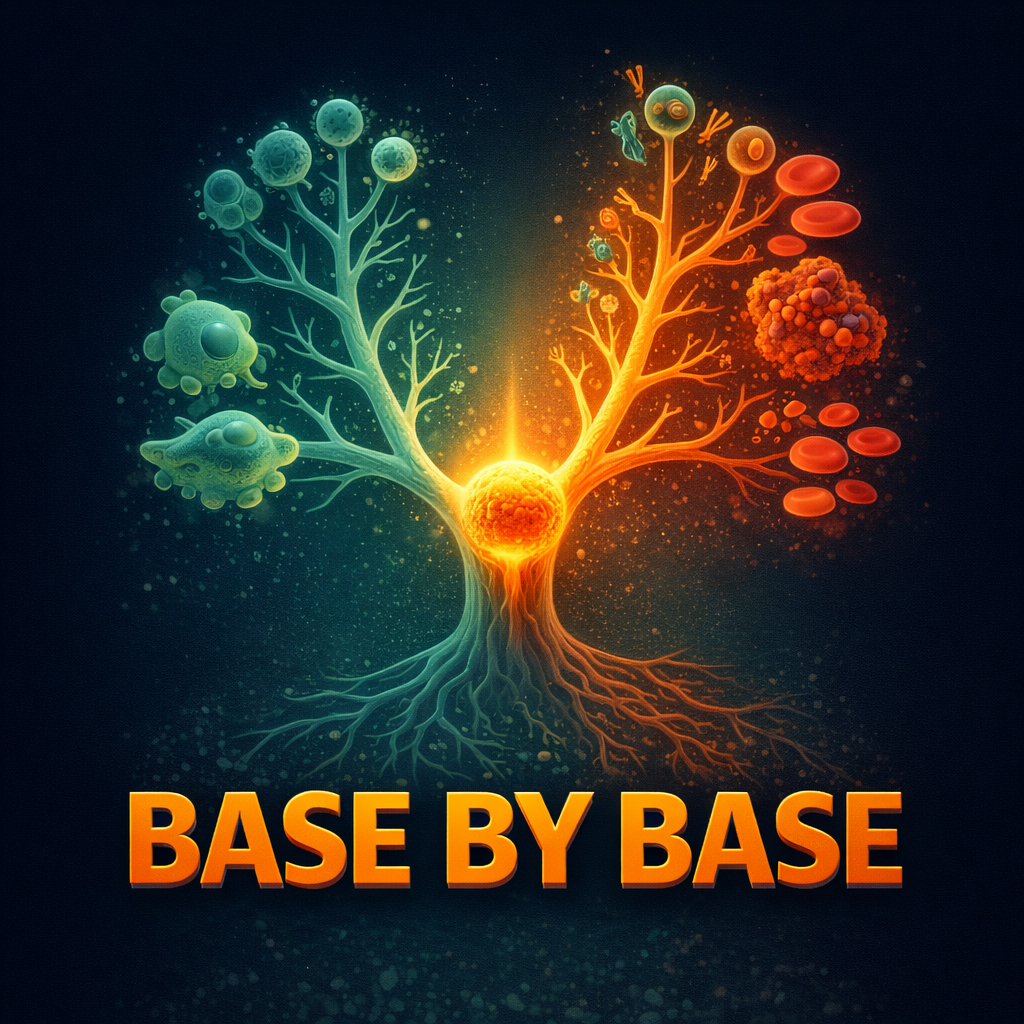
Issue 382
Animals have expanded the evolutionary legacy of unicellular ancestors in blood cells
-

Issue 379
Long-read genome sequencing improves detection and functional interpretation of structural and repeat variants in autism
-

Issue 371
Single-nucleus epigenomic dysregulation unmasks genetic risk-associated neurodegenerative glia states
-

Issue 360
An inverse correlation between structural linguistic and human genetic diversity
-

Issue 356
Meta-analysis across six global biobanks identifies recessive coding associations with complex traits and diseases
-

Issue 353
Masculinization of populations reverses sex differences in fertility
-

Issue 351
The persistence and loss of hard selective sweeps amid admixture in ancient Eurasians
-

Issue 346
How do RNA molecules distinguish self from non-self?
-

Issue 345
Genome-wide investigation of prosody perception: Shared genetic influences between speech rhythm, musical rhythm, and reading traits
-
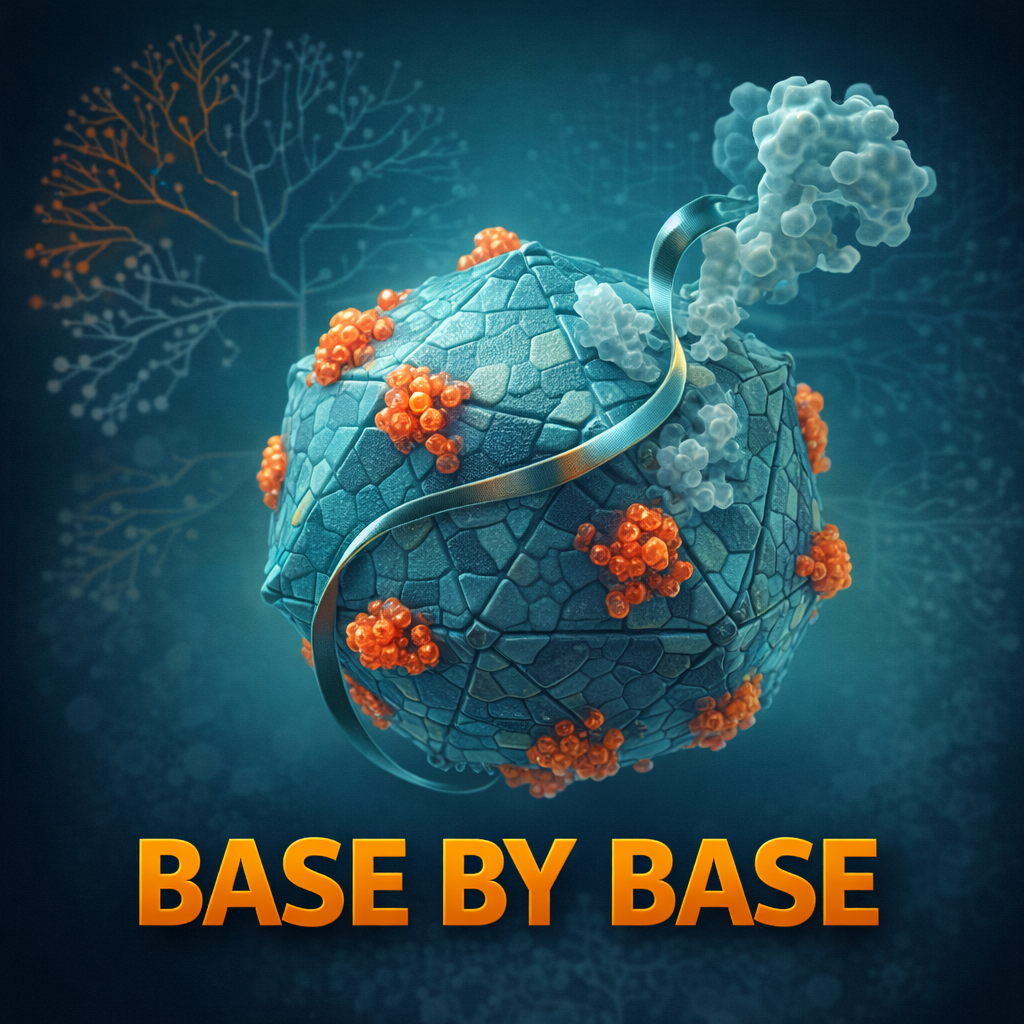
Issue 343
Distinct evolutionary patterns of endemic and emerging parvoviruses and the origin of a new pandemic virus
-

Issue 341
Estimating returns to education using the genetic lottery
-

Issue 339
Accessible, realistic genome simulation with selection using stdpopsim
-

Issue 337
Neurodevelopmental copy-number variants increase risk of internalizing and cardiometabolic multimorbidity: Findings from the UK Biobank
-

Issue 335
A high-coverage Neandertal genome from the Altai Mountains reveals population structure among Neandertals
-

Issue 334
Comparative genomics reveals LINE-1 recombination with diverse RNAs
-

Issue 328
Variant selection to maximize variance explained in cis-Mendelian randomization
-

Issue 325
Focus on single-gene effects limits discovery and interpretation of complex-trait-associated variants
-
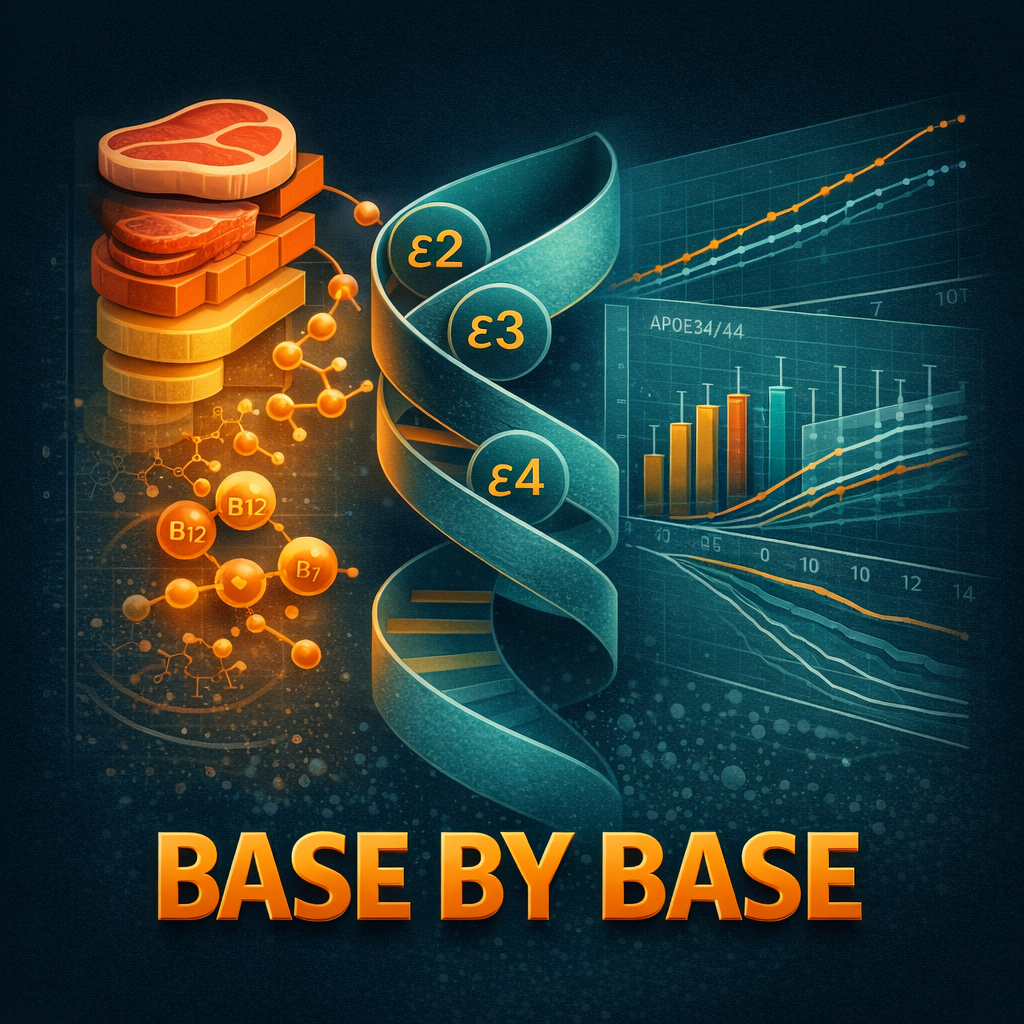
Issue 323
Meat Consumption and Cognitive Health by APOE Genotype
-

Issue 320
Sex-stratified genetic regulators of cytokine production in the Dutch and Tanzanian populations
-

Issue 319
Characteristics predicting reduced penetrance variants in the high-risk cancer predisposition gene TP53
-

Issue 318
Biallelic Variants in RNU6ATAC Result in a Minor Spliceopathy Characterized by Transcriptome-Wide Minor Intron Retention Events and Short Stature with Variable Multisystem Manifestations
-

Issue 316
Inclusion bias affects common variant discovery and replication in a health-system linked biobank
-

Issue 315
Capturing dynamic phage–pathogen coevolution by clinical surveillance
-

Issue 313
Incorporating polygenic risk scores and social determinants of health across populations: Considerations and best practices in research
-

Issue 309
A reference panel for linkage disequilibrium and genotype imputation using whole-genome sequencing data from 2,680 participants across India
-
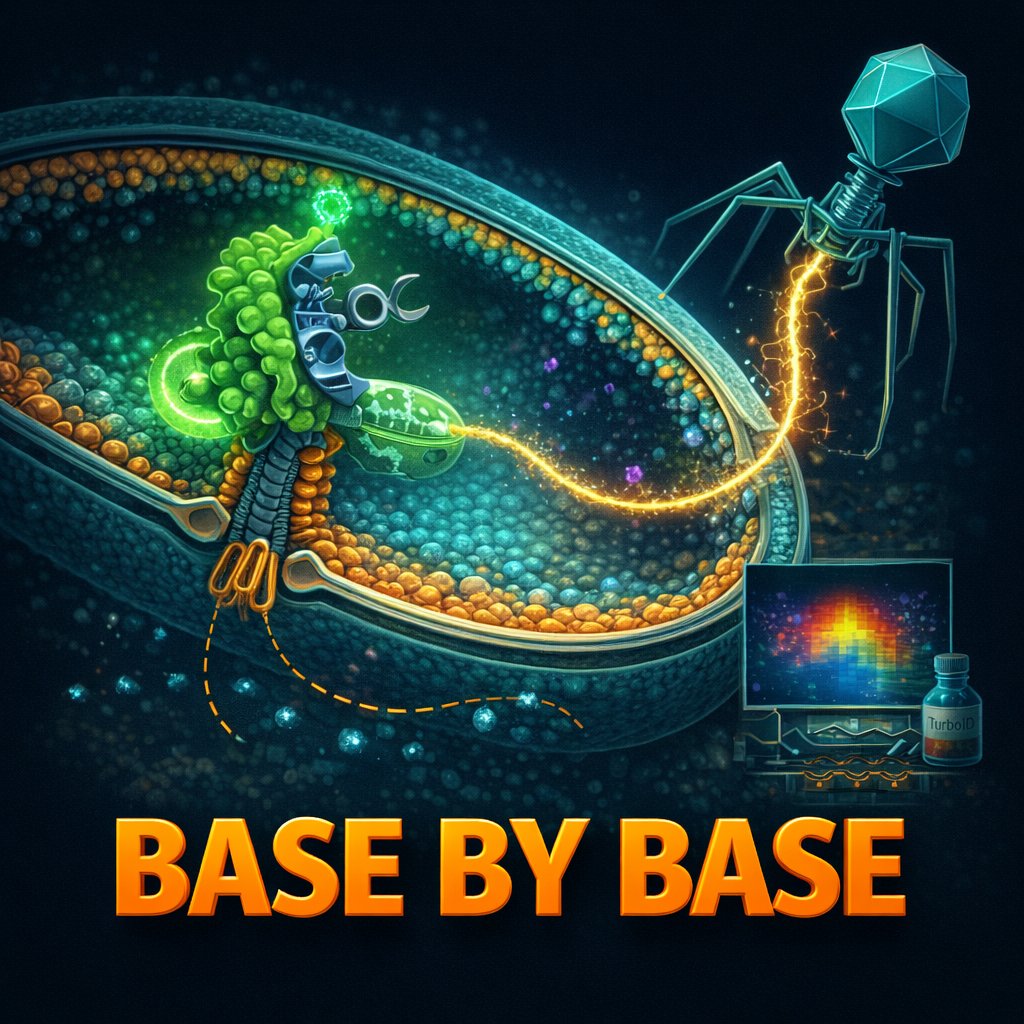
Issue 307
A membrane-bound nuclease directly cleaves phage DNA during genome injection
-

Issue 304
Signatures of sex ratio distortion in humans
-

Issue 303
The untapped potential of short-read sequencing in biodiversity research
-

Issue 301
Leveraging large-scale biobanks for therapeutic target discovery
-

Issue 295
Cystic fibrosis risk variants confer protection against inflammatory bowel disease
-
Issue 292
A new form of diabetes caused by INS mutations defined by zygosity, stem cell and population data
-
Issue 291
Dated gene duplications elucidate the evolutionary assembly of eukaryotes
-
Issue 290
SMN1 variants identified by false-positive SMA newborn screening tests: Therapeutic hurdles and functional and epidemiological solutions
-
Issue 284
Integrative functional genomics analysis identifies pleiotropic genes for vascular diseases
-

Issue 282
A gene-specific variance-control approach corrects polygenicity-driven inflation observed in transcriptome-wide association studies
-
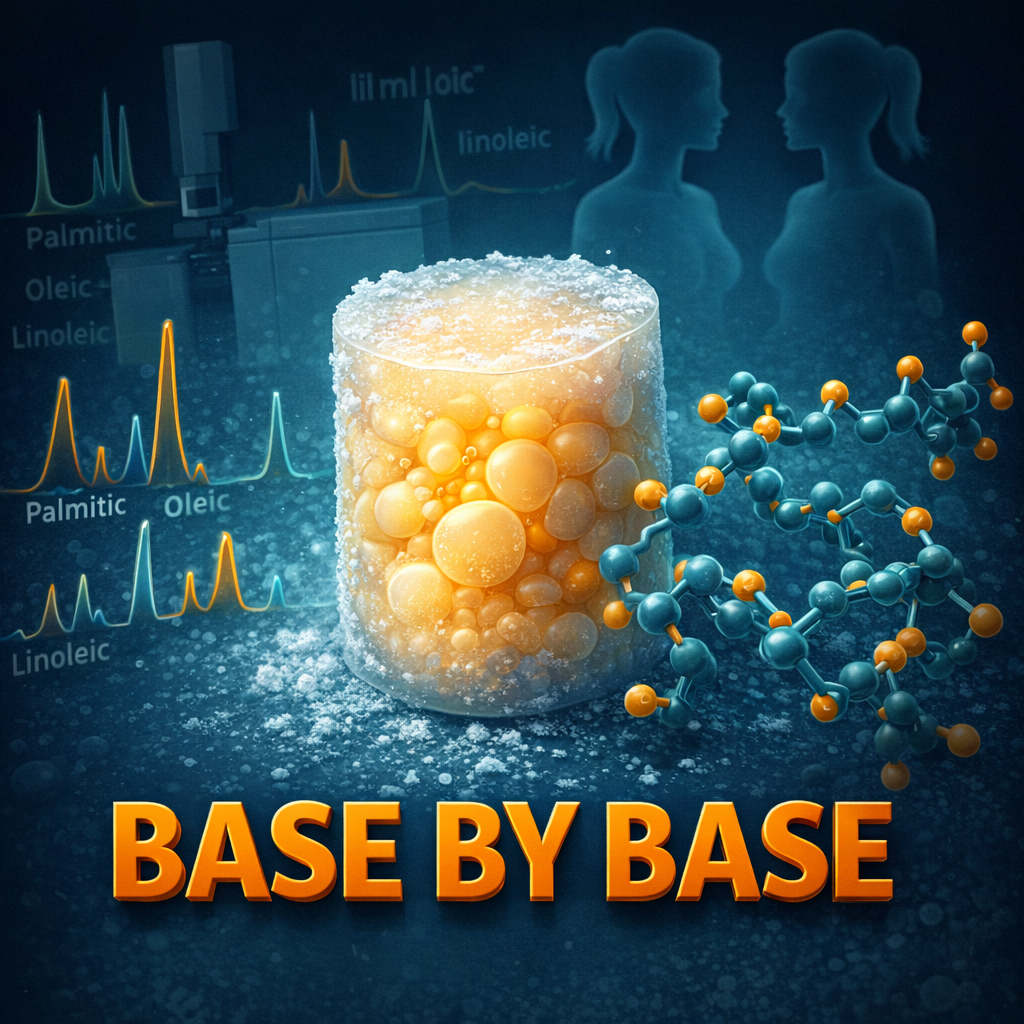
Issue 280
Genetic regulation of fatty acid content in adipose tissue
-
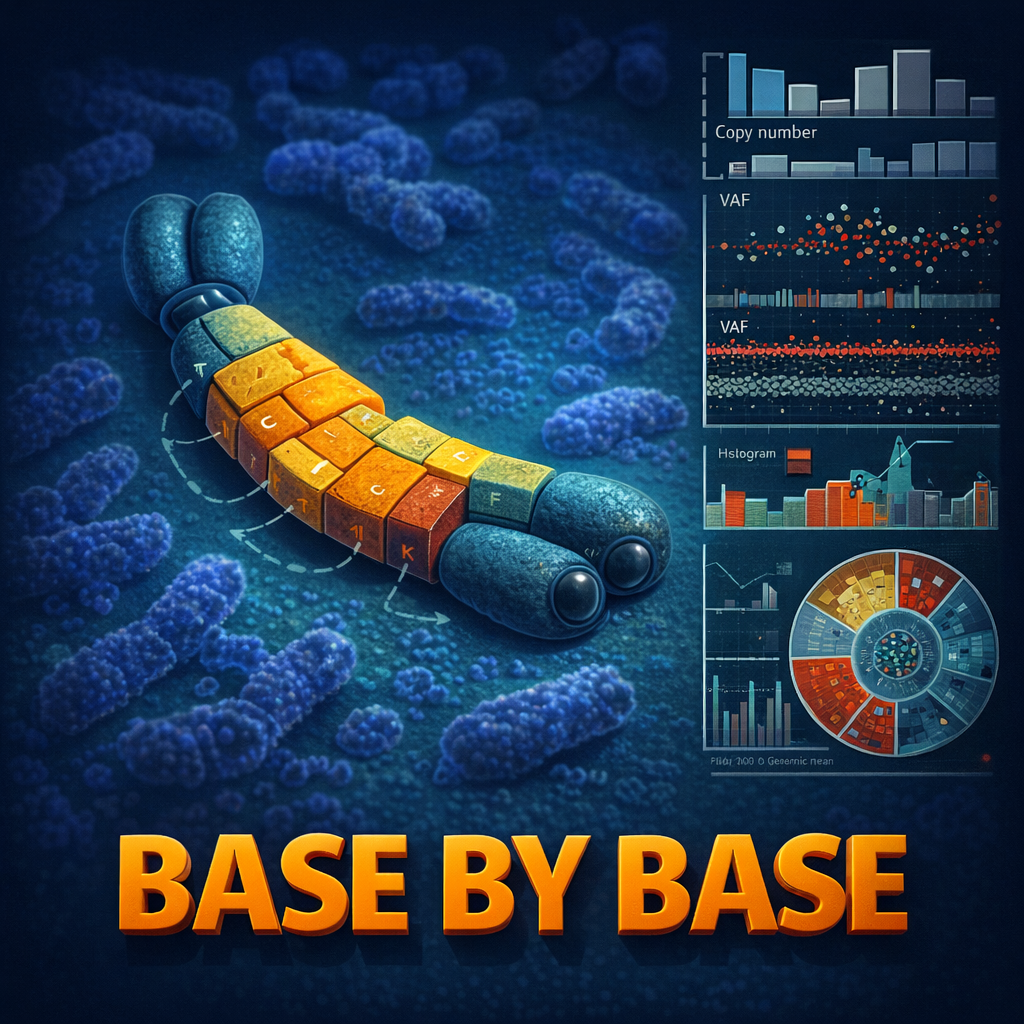
Issue 273
Horizontal transfer of nuclear DNA in transmissible cancer
-
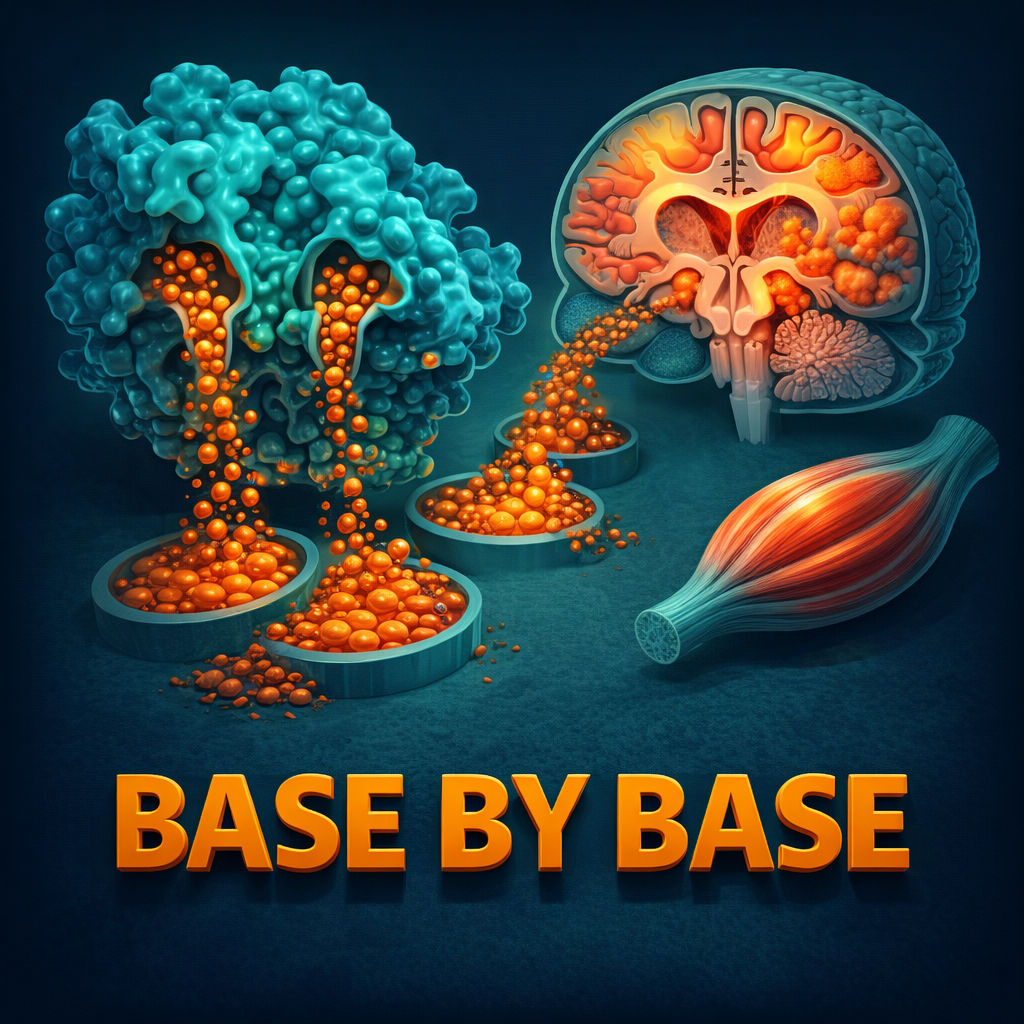
Issue 272
The activity and expression of adenylosuccinate lyase were reduced during modern human evolution, affecting brain and behavior
-

Issue 271
Genetic associations with education have increased and are patterned by socioeconomic context: Evidence from 3 studies born 1946–1970
-

Issue 265
Deep evolutionary conservation of a sex-determining locus without sequence homology
-
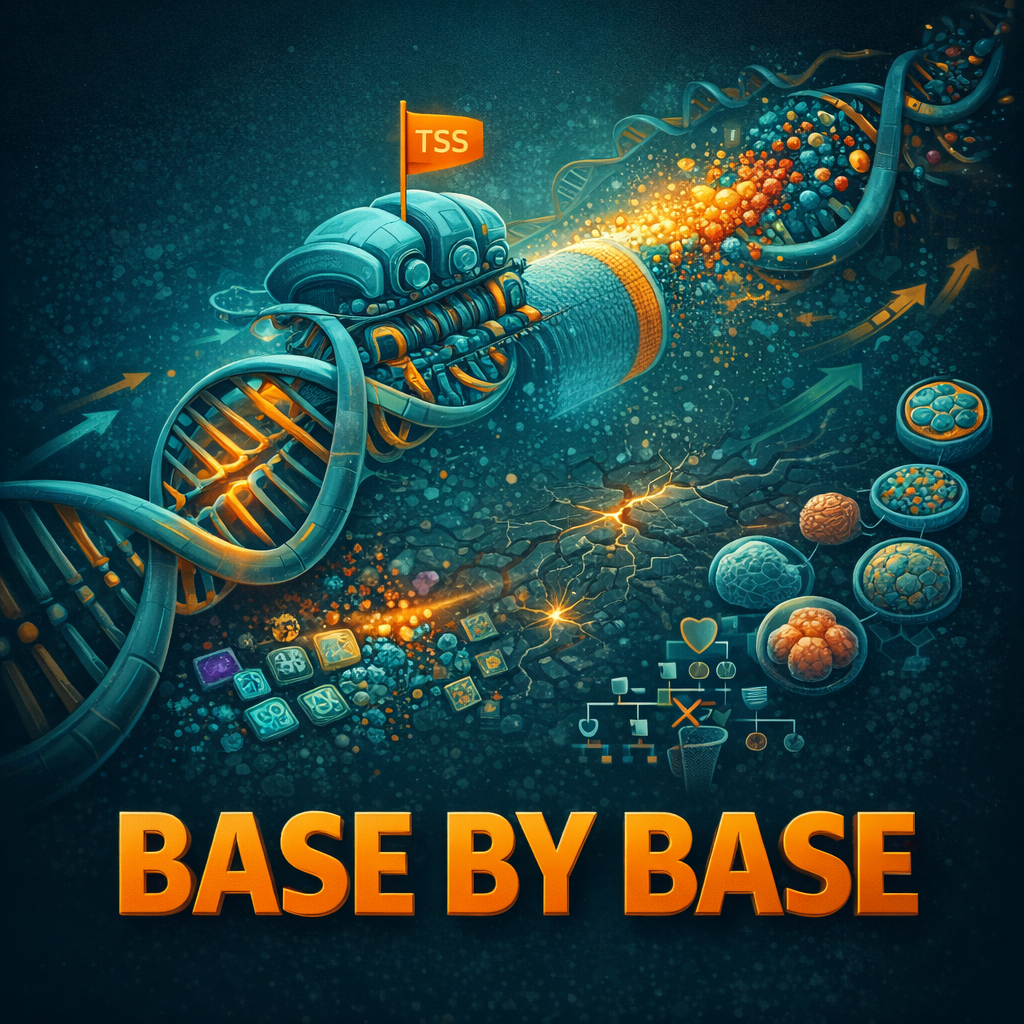
Issue 260
Transcription start sites experience a high influx of heritable variants fueled by early development
-
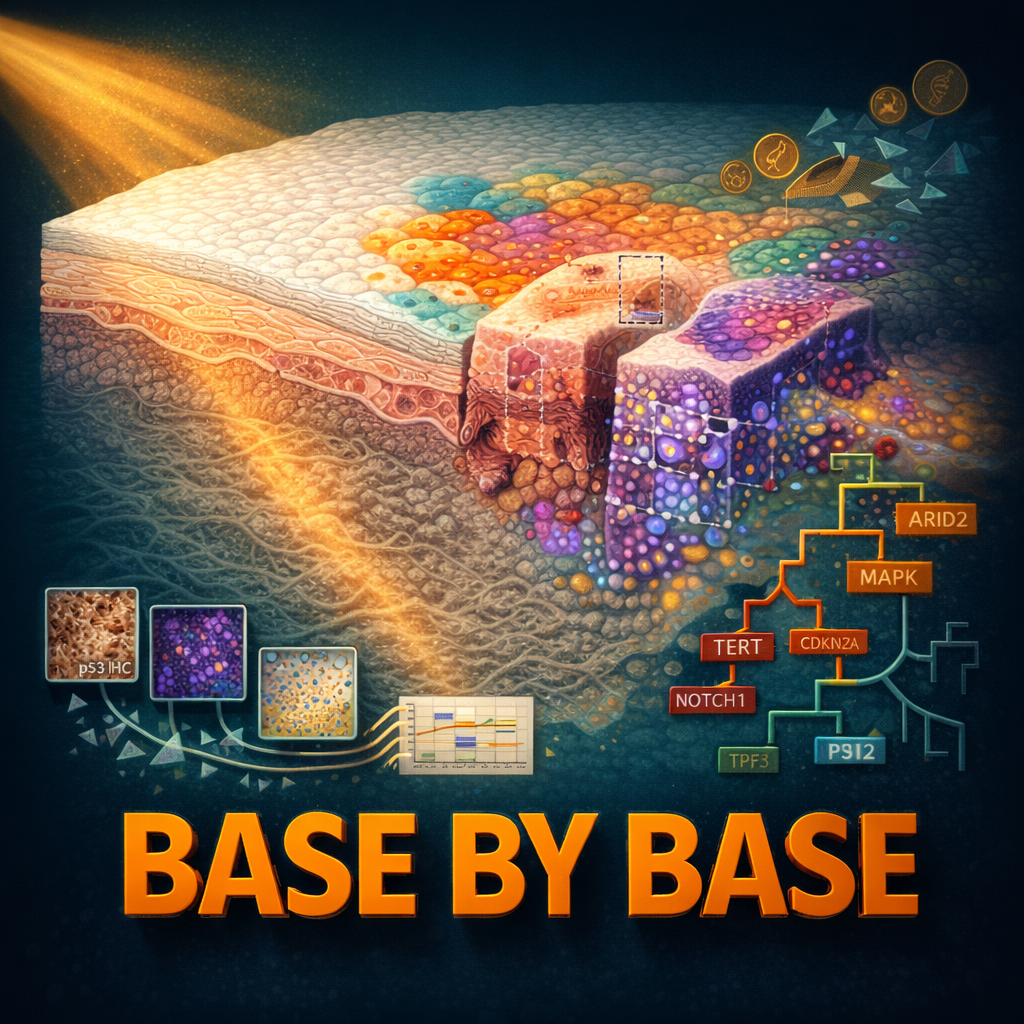
Issue 252
Genetic evolution of keratinocytes to cutaneous squamous cell carcinoma
-

Issue 247
Genome graphs reveal the importance of structural variation in Mycobacterium tuberculosis evolution and drug resistance
-

Issue 243
Genome-wide gene-environment interaction study uncovers 162 vitamin D status variants using a precise ambient UVB measure
-
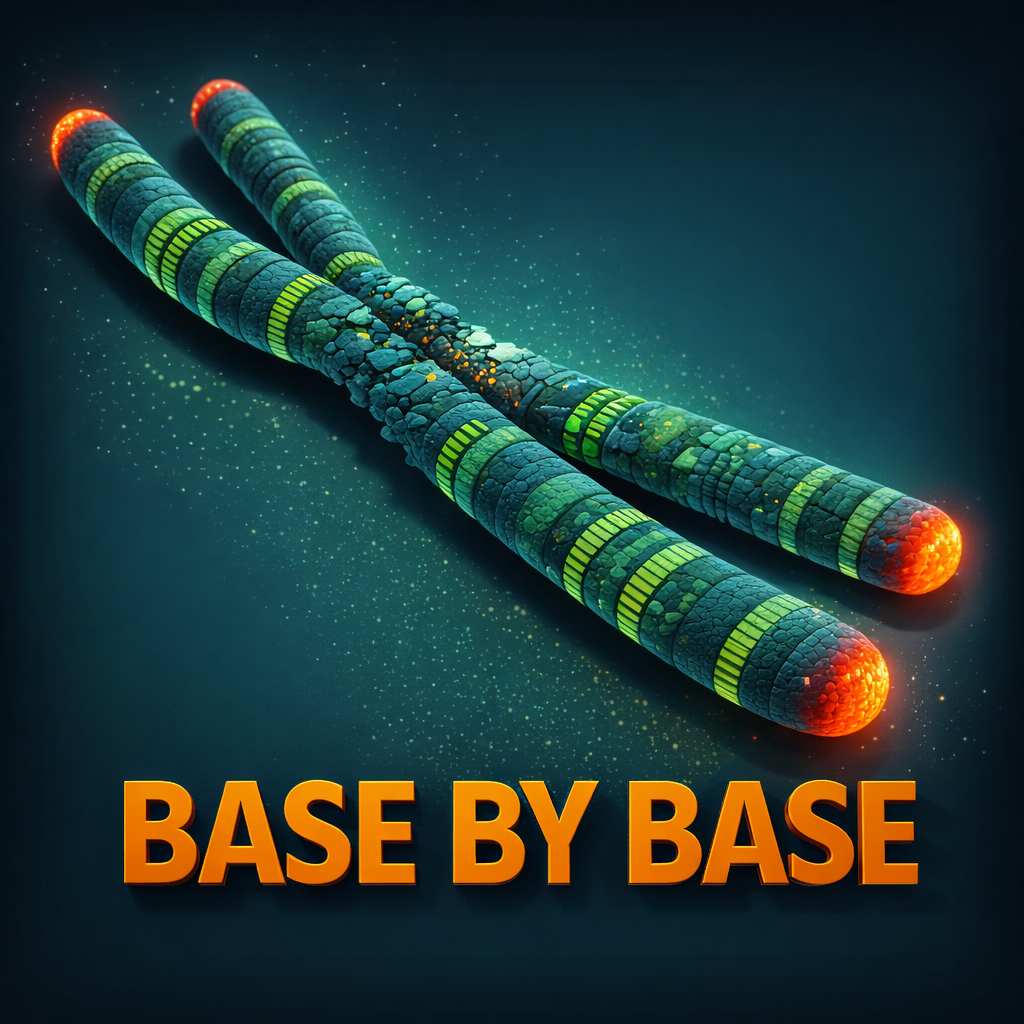
Issue 241
Insights into natural neocentromere evolution from a cattle T2T X chromosome
-
Issue 231
Transcription start sites experience a high influx of heritable variants fueled by early development
-
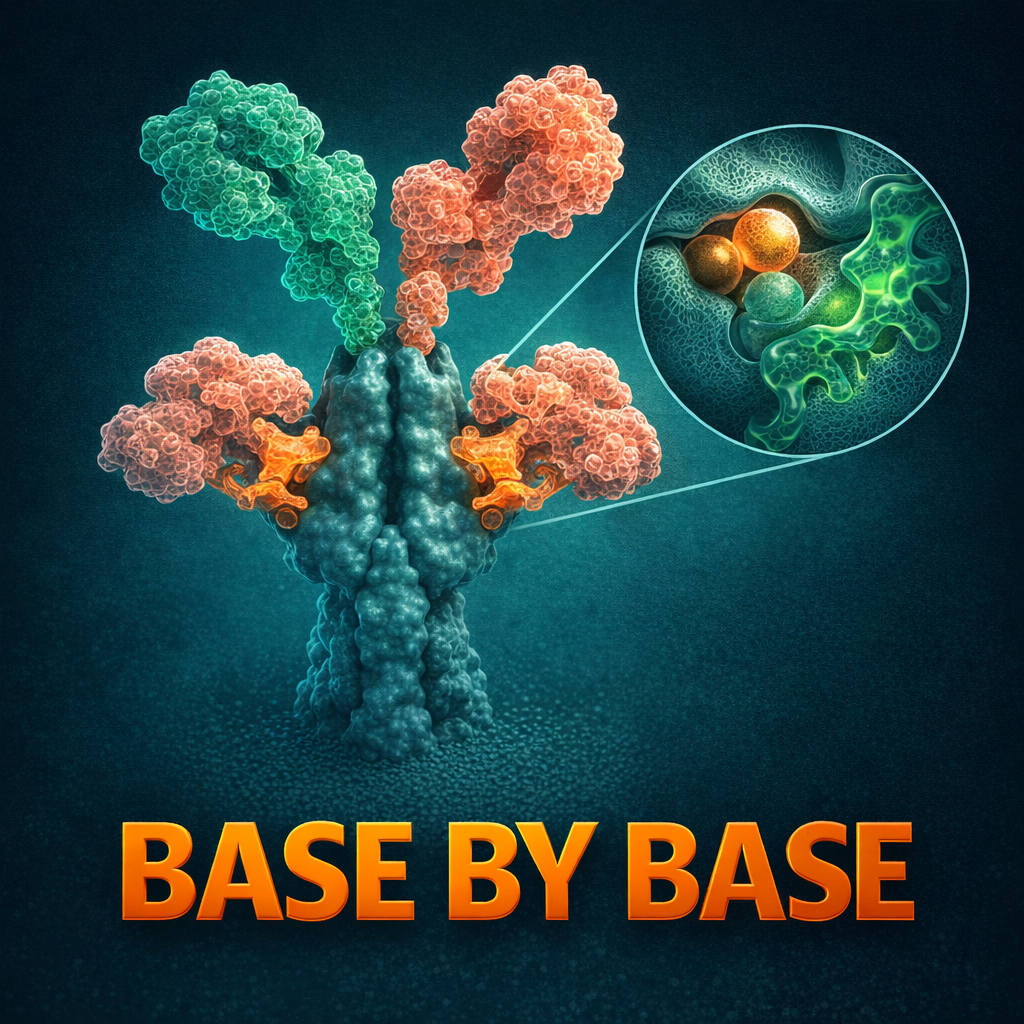
Issue 228
Characterization of two non-competing antibodies to influenza H3N2 hemagglutinin stem reveals its evolving antigenicity
-

Issue 218
Multi-ancestry investigation of the genomics of erectile dysfunction
-

Issue 213
BRAIN-MAGNET: A functional genomics atlas for interpretation of non-coding variants
-
Issue 211
Genetic elements promote retention of extrachromosomal DNA in cancer cells
-

Issue 205
Ancient RNA expression profiles from the extinct woolly mammoth
-

Issue 203
Divergent Evolutionary Dynamics of Benign and Malignant Tumors
-

Issue 196
Impact of disease-associated chromatin accessibility QTLs across immune cell types and contexts
-

Issue 180
-

Issue 176
-

Issue 165
Protist genomics: key to understanding eukaryotic evolution
-

Issue 154
Multiple-testing corrections in selection scans using identity-by-descent segments
-

Issue 153
Skeletal muscle eQTL meta-analysis implicates genes in the genetic architecture of muscular and cardiometabolic traits
-

Issue 150
Patrilineal segmentary systems provide a peaceful explanation for the post‑Neolithic Y‑chromosome bottleneck
-

Issue 149
The study of human Y chromosome variation through ancient DNA
-

Issue 146
Automated and Decentralized Genomic Profiling of Plasma Cell-Free DNA for Identification of Targetable and Resistance Alterations in Advanced Solid Tumors
-

Issue 144
Revised time estimation of the ancestral human chromosome 2 fusion
-

Issue 143
MODELLINGOFGENETIC'OUTLIERS'
-

Issue 139
MosCoverY: A method to estimate mosaic loss of Y chromosome from sequencing coverage data
-

Issue 135
Global impact of micronutrients in modern human evolution
-

Issue 134
Single-cell analysis of Barrett’s esophagus and carcinoma reveals cell types conferring risk via genetic predisposition
-

Issue 133
Culture-independent meta-pangenomics enabled by long-read metagenomics reveals associations with pediatric undernutrition
-

Issue 131
A cryptic plasmid is among the most numerous genetic elements in the human gut
-
Issue 130
Combining evidence from human genetic and functional screens to identify pathways altering obesity and fat distribution
-

Issue 129
Structural variation, selection, and diversification of the NPIP gene family from the human pangenome
-

Issue 128
LINE-1 retrotransposons mediate cis-acting transcriptional control in human pluripotent stem cells and regulate early brain development
-

Issue 116
Cell type–specific purifying selection of synonymous mitochondrial DNA variation
-

Issue 112
Local genetic sex differences in quantitative traits
-

Issue 111
A multimodal dataset for precision oncology in head and neck cancer
-

Issue 107
Genome-wide association study of pulpal and apical diseases
-

Issue 105
Genome-level selection in tumors as a universal marker of resistance to therapy
-

Issue 104
-

Issue 091
A genome-wide association study in 10,000 individuals links plasma N-glycome to liver disease and anti-inflammatory proteins
-

Issue 089
Genome-wide association meta-analysis of human olfactory identification discovers sex-specific and sex-differential genetic variants
-

Issue 088
Stable heritability of type 1 diabetes in a Swedish Nationwide Cohort Study
-

Issue 086
Investigating the sources of variable impact of pathogenic variants in monogenic metabolic conditions
-

Issue 082
JAK2 inhibition mediates clonal selection of RAS pathway mutations in myeloproliferative neoplasms
-

Issue 079
Cross-population GWAS and proteomics improve risk prediction and reveal mechanisms in atrial fibrillation
-

Issue 076
-

Issue 075
The role of metabolism in shaping enzyme structures over 400 million years
-

Issue 068
Indels allow antiviral proteins to evolve functional novelty inaccessible by missense mutations
-

Issue 067
Applying multimodal AI to physiological waveforms improves genetic prediction of cardiovascular traits
-

Issue 065
Utility of genome sequencing and group-enrichment to support splice variant interpretation in Marfan syndrome
-

Issue 063
Study design and the sampling of deleterious rare variants in biobank-scale datasets
-

Issue 060
Improving polygenic prediction from whole-genome sequencing data by leveraging predicted epigenomic features
-

Issue 057
Medicaid claims from 2008 to 2016 indicate low rates of genetic testing among children with intellectualdisability and autism spectrum disorder
-

Issue 055
Denisovan mitochondrial DNA from dental calculus of the >146,000-year-old Harbin cranium
-

Issue 054
Temporal multi-omics analysis of COVID-19 in end-stage kidney disease
-

Issue 053
Weighing the evidence on costs and benefits of polygenic risk-based approaches in clinical practice: A systematic review of economic evaluations
-

Issue 052
Human genetic variation reveals FCRL3 is a lymphocyte receptor for Yersinia pestis
-

Issue 051
Mitochondrial DNA disease discovery through evaluation of genotype and phenotype data: The Solve-RD experience
-

Issue 039
Toward whole-genome inference of polygenic scores with fast and memory-efficient algorithms
-
Issue 036
Bi-allelic variants in POPDC2 cause an autosomal recessive syndrome presenting with cardiac conduction defects and hypertrophic cardiomyopathy
-

Issue 035
Tracing the evolutionary history of the CCR5delta32 deletion via ancient and modern genomes
-

Issue 031
Utility of genome sequencing and group-enrichment to support splice variant interpretation in Marfan syndrome
-

Issue 028
scPrediXcan integrates deep learning methods and single-cell data into a cell-type-specific transcriptome-wide association study framework
-

Issue 024
Role of X chromosome and dosage-compensation mechanisms in complex trait genetics
-

Issue 016
Advancing equity in human genomics through tissue-specific multi-ancestry molecular data
-

Issue 015
The genetic changes that shaped Neandertals, Denisovans, and modern humans
-

Issue 013
Human de novo mutation rates from a four-generation pedigree reference
-
![Structure of human MUTYH and functional profiling of cancer-associated variants reveal an allosteric network between its [4Fe-4S] cluster cofactor and active site required for DNA repair](https://episodes.castos.com/6857d0f4a3b5e4-25951952/images/2107599/c1a-p6xp7-47415nxxbjo4-q9r19u.png)
Issue 012
Structure of human MUTYH and functional profiling of cancer-associated variants reveal an allosteric network between its [4Fe-4S] cluster cofactor and active site required for DNA repair
-

Issue 009
Bayesian causal graphical model for joint Mendelian randomization analysis of multiple exposures and outcomes
-

Issue 008
A structural variation reference for medical and population genetics
-

Issue 007
Using high-resolution variant frequencies to empower clinical genome interpretation
-

Issue 004
CXCL12 drives natural variation in coronary artery anatomy across diverse populations