 Base by Base

Episodes on the tools of modern genomics: single-cell, long-read, spatial omics, cryo-EM, prime editing and CRISPR.
171 episodes
-

Issue 461
Ank3 loss in adult forebrain excitatory neurons disrupts behavior, neuronal activity, membrane proteome, and myelination
-

Issue 460
A highly prevalent lupus risk haplotype increases IRF7-dependent induction of IFN-α, enhancing antiviral defense and exacerbating autoimmunity
-

Issue 441
Identification of novel functional sites in the Cav1.3 calcium channel α1-subunit using evolutionary modeling
-

Issue 438
Systematic and proactive evaluation of AIRE missense variant effects
-
Issue 436
Identifcation of a conserved gene family with an essential role in Leishmania parasite–insect vector adhesion
-
Issue 435
Cryo-EM reveals that Escherichia coli tRNA-transglycosylase can bind and act upon two tRNAs
-
Issue 432
Particles of echovirus 18 open to release their genomes in vivo
-

Issue 431
Identification of a conserved gene family with an essential role in Leishmania parasite–insect vector adhesion
-

Issue 430
Environmental phylogenetics supports a steady diversification of crown eukaryotes starting from the mid-Proterozoic
-

Issue 426
ProtoCloud: A prototypical self-explaining model for single-cell analysis
-

Issue 425
Bayesian inference of tissue-migration histories in metastatic cancer from cell-lineage tracing data
-

Issue 424
A protein interactome for the last eukaryotic common ancestor illuminates the biochemical basis of modern genetic diseases
-

Issue 421
Pre-existing cell states predict resistance to multiple treatments
-

Issue 420
Genetic diversity and regulatory features of human-specific NOTCH2NL duplications
-

Issue 419
The Single-Cell Pediatric Cancer Atlas: Data portal and open-source tools for single-cell transcriptomics of pediatric tumors
-

Issue 418
Translating genome-wide association studies at multiple scales: Drug target prioritization, cellular architectures, and organ imaging
-

Issue 414
Long-term stability and performance of Cas9/guide RNA-based gene drives in anopheline mosquitoes
-

Issue 411
A scalable, dividing cell model for the robust propagation and quantification of human sporadic Creutzfeldt–Jakob disease prions
-
Issue 407
SLC11A2 withholds divalent metals from Salmonella in the gut epithelium
-

Issue 403
Homologous recombination deficiency-driven genomic instability in ovarian cancer as an indicator of BRCA1 and BRCA2 variant pathogenicity
-

Issue 401
De novo variants in LDB1 are linked to distinct neurodevelopmental phenotypes determined by variant location and differing pathomechanisms
-

Issue 400
Complete chromosome 21 centromere sequencing of families with Down syndrome
-

Issue 399
Genome-wide analysis implicates inner ear development in Ménière disease
-

Issue 397
SciPhy: A Bayesian phylogenetic framework using sequential genetic lineage tracing data
-

Issue 390
DNA-intercalating antiphage molecules trigger abortive infection through mutual destruction and synergize with bacterial immunity
-
Issue 388
mRNA‑laden LNP‑enabled in situ CAR‑macrophage alleviates liver fibrosis via inhibiting activated HSCs and modulating the immune microenvironment
-

Issue 383
Multi-cohort proteogenomic analyses reveal genetic effects across the proteome and diseasome
-

Issue 380
A multiplex, prime editing framework for identifying drug resistance variants at scale
-

Issue 379
Long-read genome sequencing improves detection and functional interpretation of structural and repeat variants in autism
-

Issue 375
Biallelic loss-of-function variants in DSCAM cause a neurodevelopmental syndrome with nystagmus and retinal dysfunction
-

Issue 374
DNA-guided CRISPR–Cas12a effectors for programmable RNA recognition and cleavage
-

Issue 373
Identification of a non-canonical ciliate nuclear genetic code where UAA and UAG code for different amino acids
-

Issue 366
Regulation of antiviral and antitumor immunity by the BRCA1 pseudogene in human cancers
-

Issue 365
CRISPR base editor screening identifies spectrum of MEN1 mutations impacting menin inhibitors in clinical trials
-

Issue 361
Chiral inversion mutagenesis identifies geometrically constrained residues within self - associating low - complexity domains
-

Issue 359
Computational design of an ultrapotent deltacoronavirus miniprotein inhibitor
-
Issue 358
Biallelic variants in CHCHD4 are associated with combined OXPHOS defect leading to mitochondrial disease
-

Issue 354
Cohesin acetylation and ATPase activity control cohesion and loop architecture through distinct mechanisms
-
Issue 349
Structural basis of transcription -coupled RNA damage by incorporation of oxidized ribonucleotides
-

Issue 348
A plasma - based DNA test for quantification of disease burden in acute myeloid leukemia patients undergoing bone marrow transplantation
-

Issue 342
Using a modular massively parallel reporter assay to discover context-dependent regulatory activity in type 2 diabetes-linked noncoding regions
-

Issue 340
Alternative microexon splicing code for a four - amino acid peptide of PTPRD governs behavioral development
-

Issue 338
Bi-allelic WDHD1 variants cause microcephalic primordial dwarfism
-

Issue 331
Bi-allelic variants in NDUFA5 cause a mitochondriopathy with complex I deficiency
-
Issue 327
Bi-allelic ATG12 variants impair autophagy and cause a neurodevelopmental disorder
-
Issue 324
The E3 ubiquitin ligase mechanism specifying targeted microRNA degradation
-

Issue 318
Biallelic Variants in RNU6ATAC Result in a Minor Spliceopathy Characterized by Transcriptome-Wide Minor Intron Retention Events and Short Stature with Variable Multisystem Manifestations
-

Issue 317
Overlap between COPD genetic association results and transcriptional quantitative trait loci
-

Issue 315
Capturing dynamic phage–pathogen coevolution by clinical surveillance
-
Issue 311
When alternative becomes essential: The role of mitochondrial glycerol-3-phosphate dehydrogenase
-

Issue 309
A reference panel for linkage disequilibrium and genotype imputation using whole-genome sequencing data from 2,680 participants across India
-

Issue 306
Loss-of-function variants in SAXO6, encoding a microtubule inner protein of photoreceptor cilia, cause a late-onset retinal dystrophy
-
Issue 305
Functional dissection of complex trait variants at single-nucleotide resolution
-
Issue 300
Population-scale sequencing resolves determinants of persistent EBV DNA
-

Issue 298
Bi-allelic variants in FSD1L cause retinitis pigmentosa with or without neurological involvement
-
Issue 297
Bi-allelic variants in FSD1L cause a neurodevelopmental disorder overlapping with L1 syndrome
-

Issue 295
Cystic fibrosis risk variants confer protection against inflammatory bowel disease
-

Issue 294
The splice of life: how alternative splicing shapes regulatory and phenotypic evolution
-

Issue 288
Molecular assemblies and pharmacology of cerebellar GABAA receptors
-

Issue 287
EPOP and MTF2 activate PRC2 activity through DNA-sequence specificity
-
Issue 284
Integrative functional genomics analysis identifies pleiotropic genes for vascular diseases
-
Issue 281
Molecular genotype-phenotype correlation in ACTB- and ACTG1-related non-muscle actinopathies
-

Issue 277
MDGA2 homozygous loss-of-function variants cause developmental and epileptic encephalopathy
-

Issue 275
Genomic analysis of 11,555 probands identifies 60 dominant congenital heart disease genes
-
Issue 274
RPE- specific MCT2 expression promotes cone survival in models of retinitis pigmentosa
-
Issue 273
Horizontal transfer of nuclear DNA in transmissible cancer
-
Issue 272
The activity and expression of adenylosuccinate lyase were reduced during modern human evolution, affecting brain and behavior
-
Issue 270
Mechanistic basis for relaxation of DNA supercoils by human topoisomerase IIIα–RMI1–RMI2
-
Issue 262
Human epidermal Langerhans cells induce tolerance and hamper T cell function upon tick-borne pathogen transmission
-
Issue 259
Oligomerisation of Ku from Mycobacterium tuberculosis promotes DNA synapsis
-
Issue 255
Impact of anionic lipids on the energy landscape of conformational transition in anion exchanger 1 (AE1)
-
Issue 254
Rescuing the bacterial replisome at a nick requires recombinational repair and helicase reloading
-
Issue 252
Genetic evolution of keratinocytes to cutaneous squamous cell carcinoma
-
Issue 251
Loss of cell-autonomously secreted laminin-α2 drives muscle stem cell dysfunction in LAMA2-related muscular dystrophy
-
Issue 250
The CIP2A-TOPBP1 axis facilitates mitotic DNA repair via MiDAS and MMEJ
-

Issue 247
Genome graphs reveal the importance of structural variation in Mycobacterium tuberculosis evolution and drug resistance
-

Issue 246
Structural pharmacology of SV2A reveals an allosteric modulation mechanism in the major facilitator superfamily
-
Issue 241
Insights into natural neocentromere evolution from a cattle T2T X chromosome
-
Issue 238
Germline polymorphisms in the immunoglobulin kappa and lambda loci underpinning antibody light chain repertoire variability
-

Issue 237
Using metagenomics and whole-genome sequencing to characterize enteric pathogens across various sources in Africa
-
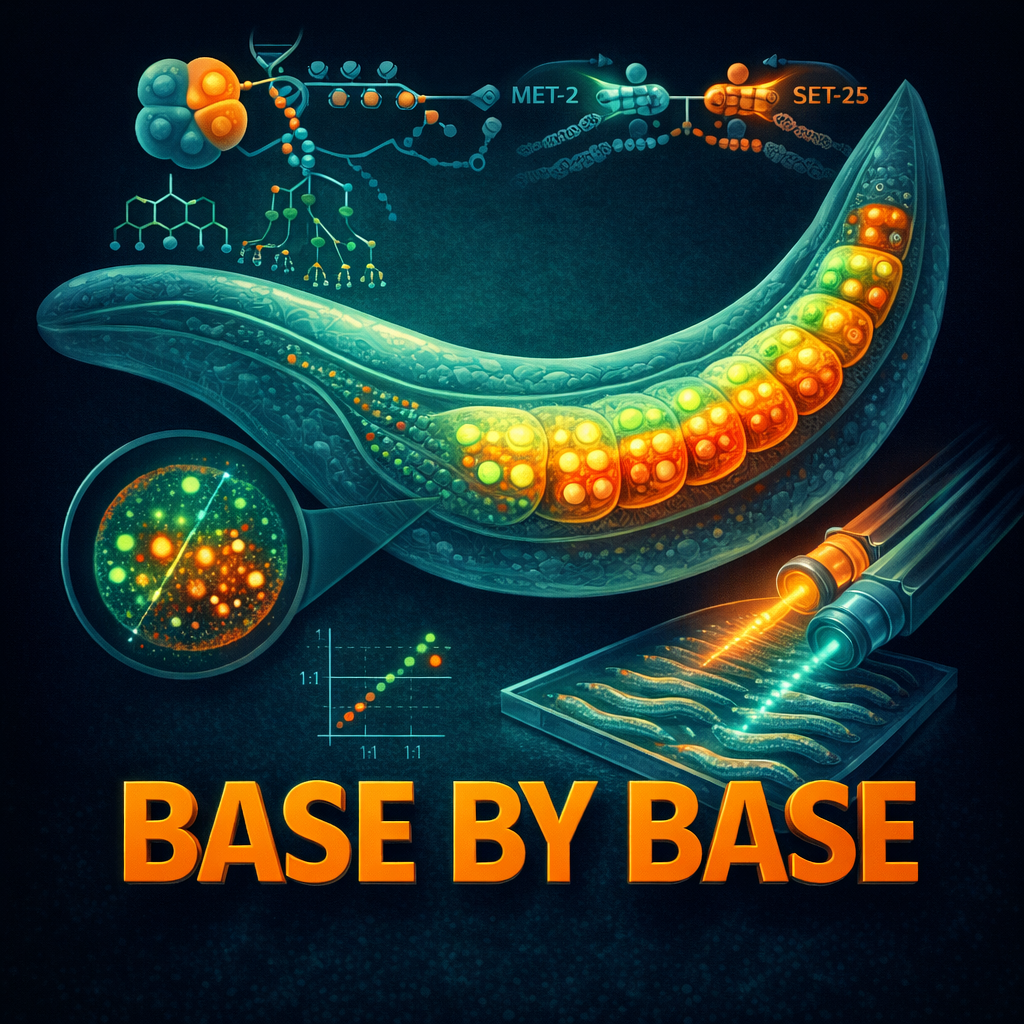
Issue 235
Maternal histone methyltransferases antagonistically regulate autosomal random monoallelic expression (aRMAE) in C. elegans
-
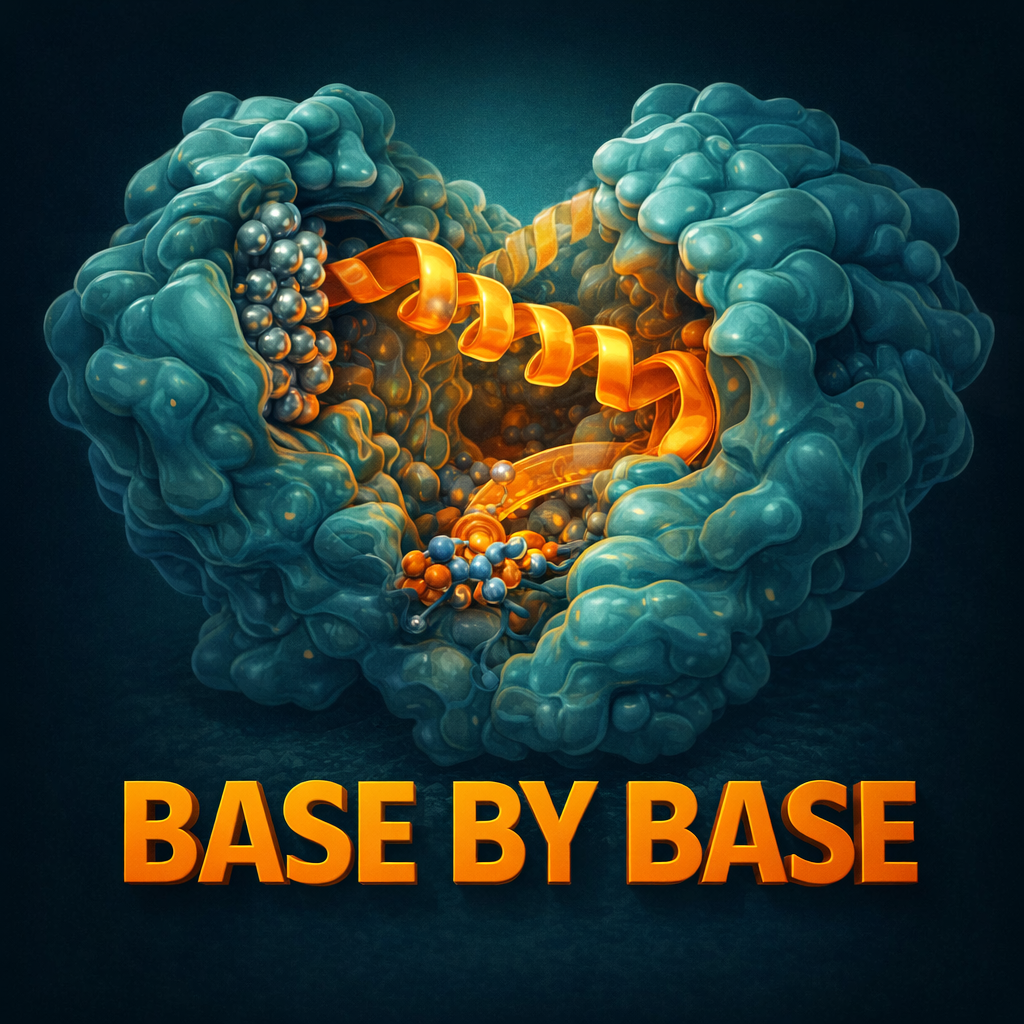
Issue 233
Mechanistic insights into histone recognition and H3K14 acetylation by the NuA3 histone acetyltransferase complex
-
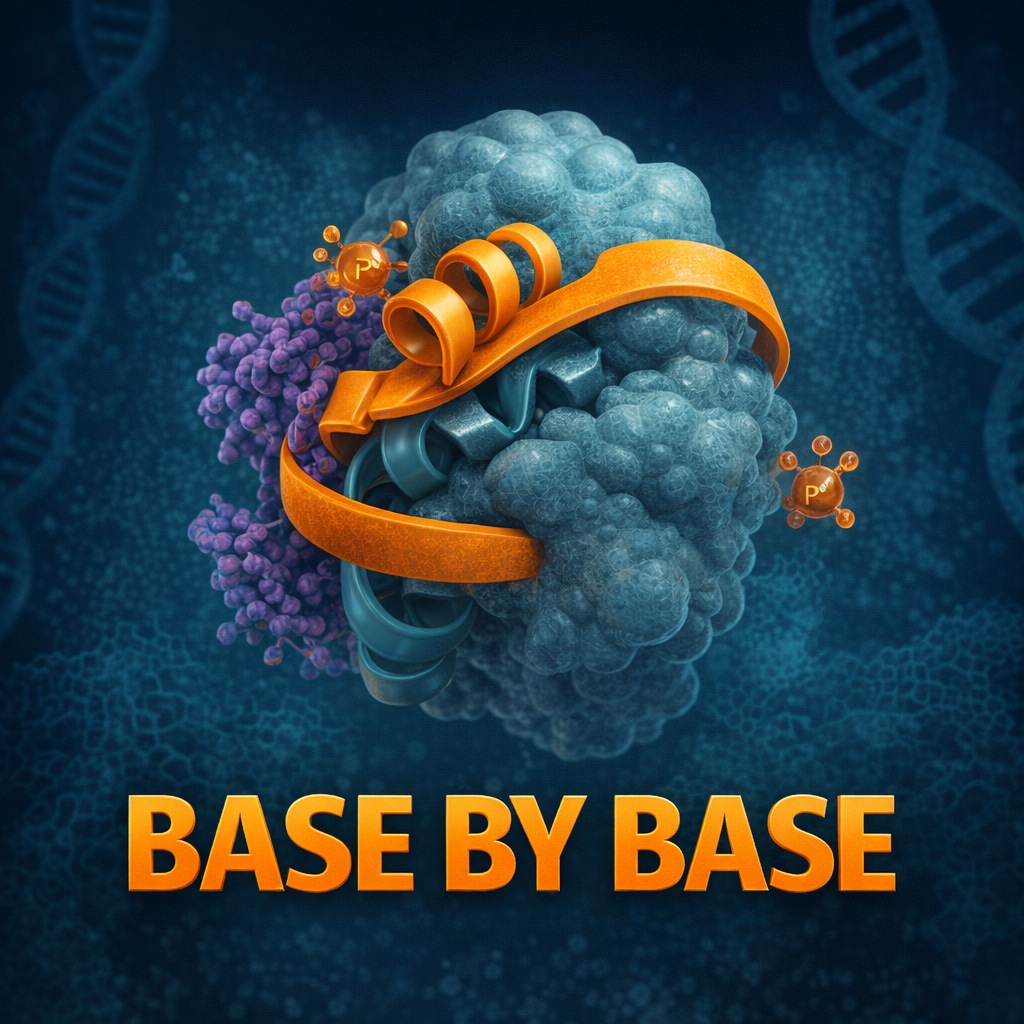
Issue 230
A de novo missense variant in MIDEAS results in increased deacetylase activity of the MiDAC HDAC complex causing a neurodevelopmental syndrome
-
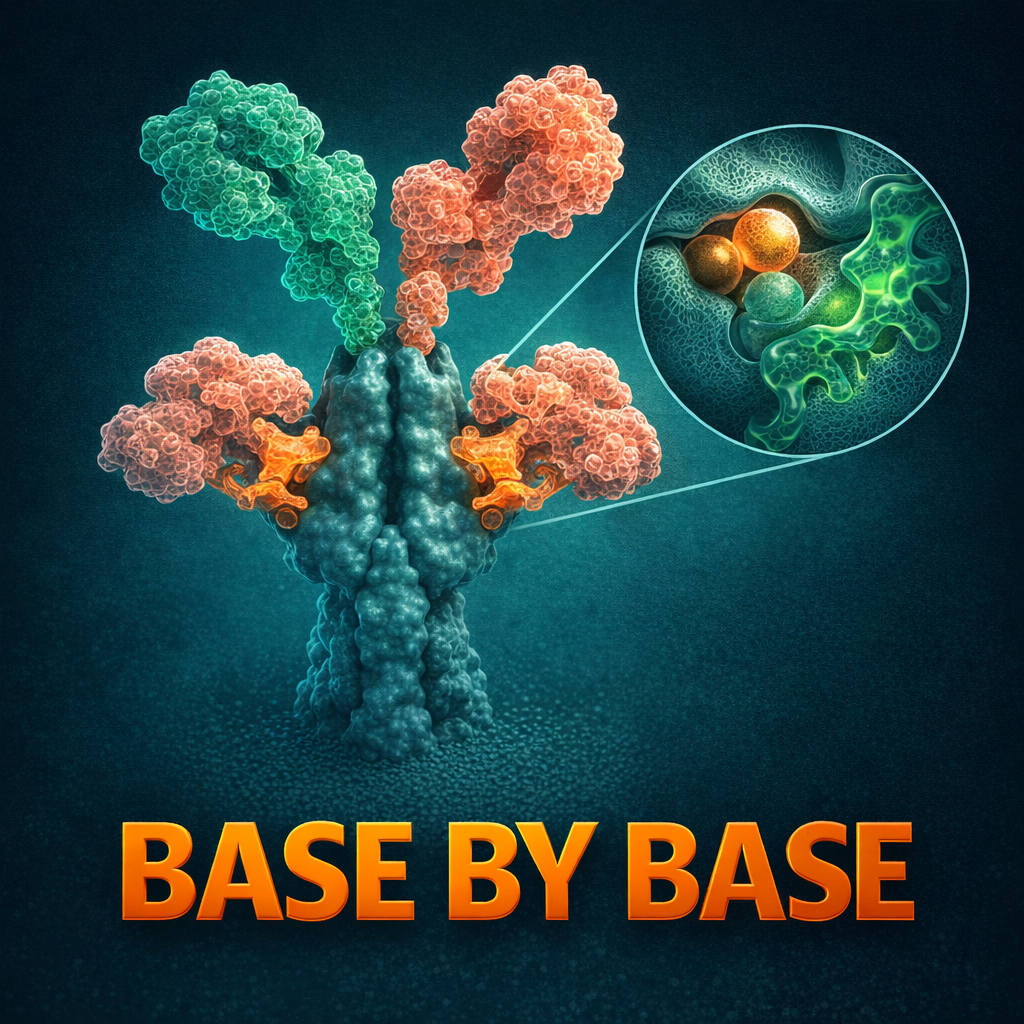
Issue 228
Characterization of two non-competing antibodies to influenza H3N2 hemagglutinin stem reveals its evolving antigenicity
-

Issue 221
An allele-resolved nanopore-guided tour of the human placental methylome
-

Issue 220
The AML cellular state space unveils NPM1 immune evasion subtypes with distinct clinical outcomes
-

Issue 219
Multi-omic analysis reveals lipid dysregulation associated with mitochondrial dysfunction in Parkinson’s disease brain
-

Issue 216
53BP1-RIF1 and DNA-PKcs show distinct genetic interactions with diverse chromosomal break repair outcomes
-

Issue 212
Nature | www.nature.com | 1
-

Issue 210
Tumour-reactive heterotypic CD8 T cell clusters from clinical samples
-

Issue 209
Prime editing-installed suppressor tRNAs for disease-agnostic genome editing
-

Issue 207
Semantic design of functional de novo genes from a genomic language model
-

Issue 204
StealTHY: An immunogen-free CRISPR platform to expose concealed metastasis regulators in immunocompetent models
-
Issue 199
Loss-of-function mutations in PLD4 lead to systemic lupus erythematosus
-

Issue 196
Impact of disease-associated chromatin accessibility QTLs across immune cell types and contexts
-

Issue 190
Single-cell mRNA-regulation analysis reveals cell type-specific mechanisms of type 2 diabetes
-

Issue 190
Single-cell mRNA-regulation analysis reveals cell type-specific mechanisms of type 2 diabetes
-

Issue 188
-

Issue 167
Single-cell and spatial detection of senescent cells using DeepScence
-

Issue 162
Spatially resolved microRNA expression in tissues: technologies, challenges, and opportunities
-

Issue 160
Single-cell omics sequencing technologies: the long-read generation
-

Issue 160
Single-cell omics sequencing technologies: the long-read generation
-

Issue 159
The untapped potential of short-read sequencing in biodiversity research
-

Issue 156
ZFKLO[N ozklwo� roz{yo/Ðtno �|k�tkw �~kz�m~t|�{ytm
-
Issue 155
A cardiovascular, craniofacial, and neurodevelopmental disorder caused by loss-of-function variants in the eIF3 complex component genes EIF3A and EIF3B
-

Issue 152
Hereditary Alpha Tryptasemia: Validation of a Single-Well Multiplex Digital Droplet PCR Assay in a Cohort of Symptomatic Patients
-

Issue 148
Systematic Minigene-Based Splicing Analysis and Tentative Clinical Classification of 52 CHEK2 Splice-Site Variants
-

Issue 147
Comprehensive Annotation of Complete ABO Alleles and Resolution of ABO Variants by an Improved Full-Length ABO Haplotype Sequencing
-

Issue 146
Automated and Decentralized Genomic Profiling of Plasma Cell-Free DNA for Identification of Targetable and Resistance Alterations in Advanced Solid Tumors
-

Issue 145
A Validated Highly Sensitive Microsatellite Instability Assay Accurately Identifies Individuals Harboring Biallelic Germline PMS2 Pathogenic Variants in Constitutional Mismatch Repair Deficiency
-

Issue 142
Specifications of the ACMG/AMP variant curation guidelines for the analysis of germline PALB2 sequence variants
-

Issue 141
RetiGene, a comprehensive gene atlas for inherited retinal diseases
-

Issue 140
Landscapes of missense variant impact for human superoxide dismutase 1
-

Issue 139
MosCoverY: A method to estimate mosaic loss of Y chromosome from sequencing coverage data
-

Issue 136
Gene context drift identifies drug targets to mitigate cancer treatment resistance
-

Issue 134
Single-cell analysis of Barrett’s esophagus and carcinoma reveals cell types conferring risk via genetic predisposition
-

Issue 133
Culture-independent meta-pangenomics enabled by long-read metagenomics reveals associations with pediatric undernutrition
-

Issue 131
A cryptic plasmid is among the most numerous genetic elements in the human gut
-
Issue 130
Combining evidence from human genetic and functional screens to identify pathways altering obesity and fat distribution
-

Issue 129
Structural variation, selection, and diversification of the NPIP gene family from the human pangenome
-

Issue 128
LINE-1 retrotransposons mediate cis-acting transcriptional control in human pluripotent stem cells and regulate early brain development
-
Issue 126
Molecular and developmental deficits in Smith-Magenis syndrome human stem cell-derived cortical neural models
-

Issue 123
Dominant negative ATP5F1A variants disrupt oxidative phosphorylation causing neurological disorders
-

Issue 120
Rare variants in BMAL1 are associated with a neurodevelopmental syndrome
-

Issue 116
Cell type–specific purifying selection of synonymous mitochondrial DNA variation
-

Issue 115
A transcriptomic, proteomic, and functional genetic atlas dissects neurofibromin function in the peripheral nervous system
-

Issue 114
One-hour extraction-free loop-mediated isothermal amplification HPV DNA assay for point-of-care testing in Maputo, Mozambique
-

Issue 113
Joint, multifaceted genomic analysis enables diagnosis of diverse, ultra-rare monogenic presentations
-

Issue 110
Whole-exome sequencing analysis identifies risk genes for schizophrenia
-

Issue 106
Transcriptomic decoding of surface-based imaging phenotypes and its application to pharmacotranscriptomics
-

Issue 105
Genome-level selection in tumors as a universal marker of resistance to therapy
-

Issue 104
-

Issue 100
Epigenomic diagnosis and prognosis of Acute Myeloid Leukemia
-

Issue 099
NXT2 is a key component of the RNA nuclear export factor complex in the human testis and essential for spermatogenesis
-

Issue 098
Cell Marker Accordion: interpretable single-cell and spatial omics annotation in healthand disease
-
Issue 096
-

Issue 092
Loss of CFHR5 function reduces the risk for age-related macular degeneration
-

Issue 091
A genome-wide association study in 10,000 individuals links plasma N-glycome to liver disease and anti-inflammatory proteins
-

Issue 084
Variants in NR6A1 cause a novel oculo vertebral renal syndrome
-

Issue 083
Single-cell analysis of dup15q syndrome reveals developmental and postnatal molecular changes in autism
-

Issue 082
JAK2 inhibition mediates clonal selection of RAS pathway mutations in myeloproliferative neoplasms
-

Issue 080
Genome sequencing is critical for forecasting outcomes following congenital cardiacsurgery
-

Issue 079
Cross-population GWAS and proteomics improve risk prediction and reveal mechanisms in atrial fibrillation
-

Issue 078
Interactions between TTYH2 and APOE facilitate endosomal lipid transfer
-

Issue 075
The role of metabolism in shaping enzyme structures over 400 million years
-

Issue 074
Benchmarking of T cell receptor-epitope predictors with ePytope-TCR
-

Issue 073
Assessing family history and approaches for identifying dementia patients with diagnostically significant genetic findings
-
Issue 071
ELFN1 Deficiency: the mechanistic basis and phenotypic spectrum of a neurodevelopmental disorder with epilepsy
-
Issue 069
Three independent approaches identify IGF2BP2 as a top SDL target of PLK1
-

Issue 062
BRCA2 reversion mutation–independent resistance to PARP inhibition through impaired DNA prereplication complex function
-

Issue 061
-

Issue 054
Temporal multi-omics analysis of COVID-19 in end-stage kidney disease
-

Issue 052
Human genetic variation reveals FCRL3 is a lymphocyte receptor for Yersinia pestis
-
Issue 049
Environmental DNA adsorption to chitin can promote horizontal gene transfer by natural transformation
-

Issue 046
tRNA modifications tune m6A-dependent mRNA decay
-
Issue 044
The proofreading mechanism of the human leading-strand DNA polymerase ε holoenzyme
-

Issue 043
Personalized molecular signatures of insulin resistance and type 2 diabetes
-

Issue 040
SLC7A11 is an unconventional H+ transporter in lysosomes
-
Issue 038
The recency and geographical origins of the bat viruses ancestral to SARS-CoV and SARS-CoV-2
-
Issue 037
Prioritizing disease-associated missense variants with chemoproteomic-detected amino acids
-
Issue 036
Bi-allelic variants in POPDC2 cause an autosomal recessive syndrome presenting with cardiac conduction defects and hypertrophic cardiomyopathy
-

Issue 035
Tracing the evolutionary history of the CCR5delta32 deletion via ancient and modern genomes
-

Issue 033
Mis-splicing-derived neoantigens and cognate TCRs in splicing factor mutant leukemias
-

Issue 028
scPrediXcan integrates deep learning methods and single-cell data into a cell-type-specific transcriptome-wide association study framework
-

Issue 027
Engineered nucleocytosolic vehicles for loading of programmable editors
-

Issue 026
Reannotation of cancer mutations based on expressed RNA transcripts reveals functional non-coding mutations in melanoma
-

Issue 021
High-throughput screening of human genetic variants by pooled prime editing
-
Issue 017
The structure of human sweetness
-

Issue 013
Human de novo mutation rates from a four-generation pedigree reference
-

Issue 008
A structural variation reference for medical and population genetics
-

Issue 004
CXCL12 drives natural variation in coronary artery anatomy across diverse populations